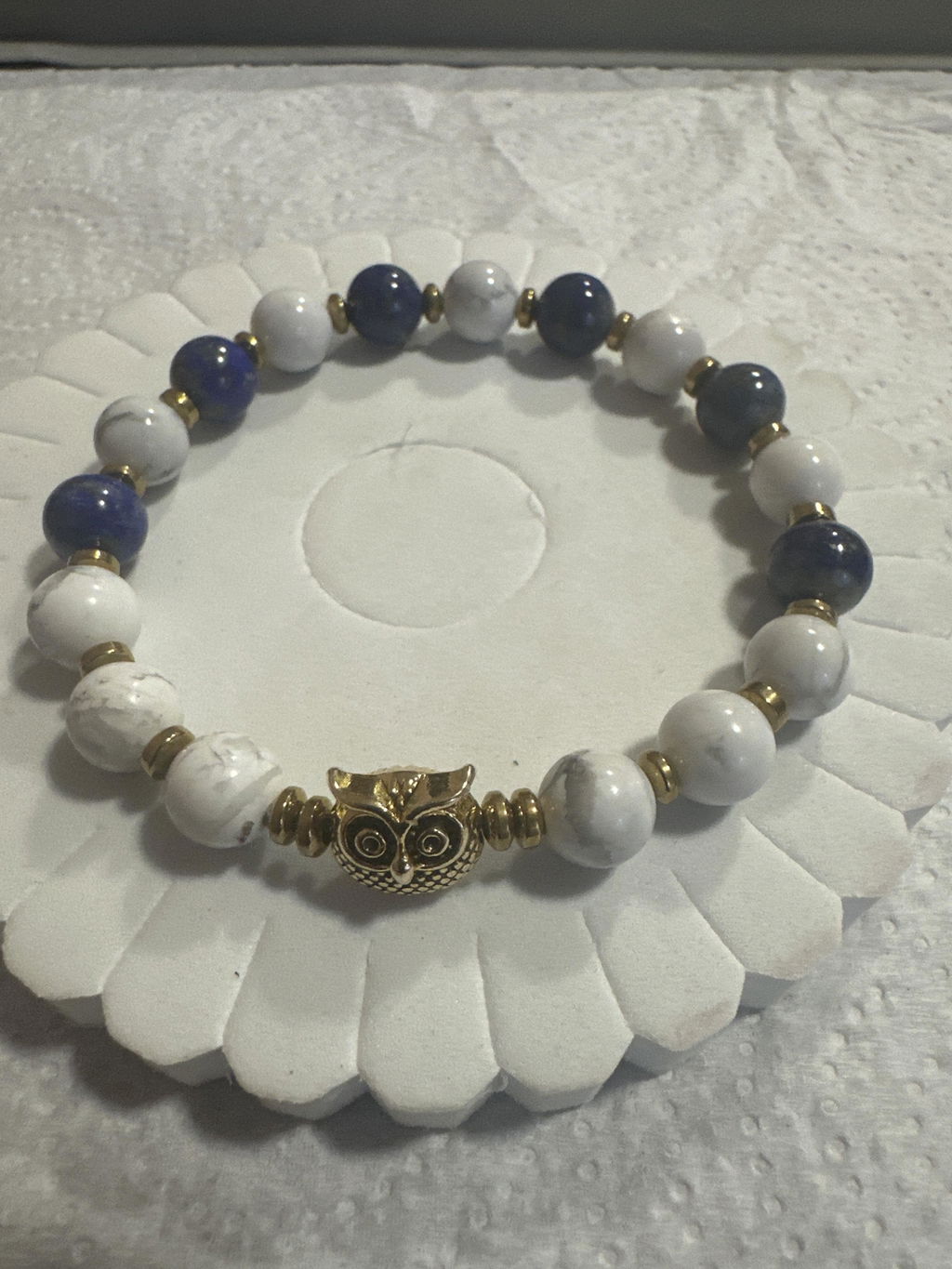
Ces perles sont incroyables. Très belle couleur et une brillance discrète. Parfaiit pour mes créations. Belle qualité !!
How to recognize a real Lava Stone
Characteristics of Genuine Lava Stone
- Color: Genuine Lava Stone is distinguished by its dark appearance, generally black, anthracite gray, or sometimes deep red. Its hue is often matte, sometimes punctuated by small shiny flecks due to mineral inclusions. Unlike imitations, it does not feature overly bright or uniform artificial colors. This natural coloration is the result of molten lava cooling rapidly, giving the stone an appearance that is both solid and porous, a major sign of authenticity.
- Texture: Texture is one of the essential criteria for recognizing genuine Lava Stone. It is rough to the touch, with a characteristically granular or porous surface. This honeycomb structure is due to gas bubbles that form as the lava cools. Authentic Lava Stone will never be perfectly smooth or polished over its entire surface unless it has undergone specific artisanal polishing. This natural grain gives the stone an earthy feel, shaped by nature.
- Hardness: In terms of hardness, Lava Stone is relatively resistant, ranking around 5 to 6 on the Mohs scale. This means it is strong enough to be used in jewelry or decoration while exhibiting a slight brittleness due to its porous texture. Unlike synthetic or very fragile materials, genuine stone will withstand minor impacts without cracking or scratching easily. This factor is paramount for professionals who wish to guarantee the durability of their supplies.
Common Imitations
- Tinted Glass: One of the most common imitations is glass tinted black or dark red. These imitations have an overly smooth and uniform surface, devoid of any porosity. They often shine too intensely and lack the roughness and microbubbles characteristic of genuine stone. Due to their manufacturing process, these fake stones are often lighter and colder to the touch, but their visual appearance can easily deceive the untrained eye.
- Resin: Resin is also widely used to imitate Lava Stone, particularly in costume jewelry. It can be colored to resemble natural stone, but remains much lighter and more flexible. Resin lacks natural porosity and a granular texture, often appearing smooth or even sticky. Its durability is also inferior, resulting in a rapidly aging appearance with scratches or the flaking of the colored coating.
- Dyed Stones: Some less reputable porous or volcanic natural stones can be artificially dyed to imitate Lava Stone. These dyed stones often exhibit a suspicious color uniformity and overly bright hues. Their reaction to hardness tests and handling quickly reveals the artificiality of the dye and the absence of intrinsic characteristics typical of authentic Lava Stone.
Simple Tests
- Observation: Simple visual inspection in natural light can detect many differences between genuine Lava Stone and its imitations. Look for fine pores, microscopic irregularities, and matte areas combined with a few shiny reflections. A perfect stone that is too smooth or uniformly shiny is often suspicious. The play of shadows and the presence of any natural inclusions are also good indicators of authenticity.
- Touch: To the touch, Lava Stone should feel slightly rough, never slippery or cold like glass. It gives the sensation of a dense, solid material, contrasting with the lightness and artificial smoothness of resin or plastic. This sensory test is essential and often decisive when handling the stone in a shop or during wholesale ordering. The weight and texture confirm the product's intrinsic quality.
- Translucency: Unlike some volcanic stones that may exhibit a slight degree of translucency, Lava Stone is opaque, completely blocking light. Observing the stone against the light may reveal abnormal colorations or suspicious internal structures that point toward an imitation. Density and the absence of transmitted light are therefore reliable indicators for confirming the authenticity of Lava Stone.
Benefits for Professionals
For resellers, specialty shops, jewelry designers, and therapists, guaranteeing the authenticity of Lava Stone is a major priority. Offering genuine Lava Stone ensures the aesthetic and tactile quality expected by professional and discerning clients. It also makes it possible to build a consistent and reliable product range, fostering customer loyalty and credibility. By choosing truly natural stones, professionals enhance the value of their products and make it easier to communicate about the stone's benefits in crystal healing while respecting their ethical commitments. Investing in authentic products also avoids the risk of negative customer returns and strengthens their reputation for expertise, a key factor in competitive industries. Therefore, rigorous inspection at the time of wholesale purchase is an essential element for the sustainable and professional development of businesses related to Lava Stone.
Wholesale Ordering of Lava Stone
Wholesale ordering of authentic, carefully selected stones is an essential step for professionals wishing to stand out in a demanding market. Rigorous selection guarantees uniform batches that meet color, texture, and density criteria. Partnering with specialized suppliers provides access to a complete and certified collection of Lava Stone tailored to the needs of designers, shops, and therapists. This approach simplifies inventory management while ensuring a consistent level of quality, which is essential for building customer trust. Furthermore, working with professional suppliers provides personalized support, technical advice, and logistics assistance that are indispensable for optimizing every order. Finally, harmonizing product quality and service helps establish a strong, clear, and lasting market position, facilitating business growth.
Information about crystal healing is based on tradition and does not constitute medical advice.