Natural Aventurine – Wholesale for Professionals
Aventurine is a natural stone highly prized in the worlds of mineralogy, artisanal jewelry, and crystal healing. Its characteristic green color, punctuated by sparkling reflections, gives it a unique visual identity that immediately catches the eye. For many years, this stone has appealed to both mineral enthusiasts and professionals wishing to offer their customers beautiful, affordable natural products. In specialty shops, aventurine often holds an important place thanks to its popularity, versatility, and positive symbolism.
At Minéraux d’Ailleurs, we support professionals in sourcing carefully selected natural stones. Our goal is to provide authentic aventurines from reputable deposits, suited to the requirements of retailers, wellness practitioners, jewelry makers, and esoteric shops. Thanks to our experience in wholesale mineral sales, we offer a wide variety of shapes and products to meet the demands of a constantly evolving market.
Aventurine stands out for its ease of integration into many commercial sectors: crystal healing, home décor, jewelry, meditation, and symbolic objects. Its natural beauty and reputation in energy traditions make it an essential stone for professionals looking to enrich their catalog. By choosing a specialized wholesaler, you benefit from access to carefully selected pieces, regular stock, and support tailored to the needs of the natural mineral trade.
What is aventurine?
Aventurine is a variety of quartzite belonging to the large quartz family. It is distinguished by the presence of mineral inclusions that produce tiny reflections of light on the surface of the stone. This particular optical phenomenon, called aventurescence, gives aventurine its slightly sparkling appearance and characteristic visual depth. These natural reflections contribute greatly to its aesthetic appeal and explain why this stone is so popular in decorative creations and jewelry.
The best-known color of aventurine is green, often associated with the presence of fuchsite inclusions, a chrome-rich mica. This shade can range from translucent light green to a deeper, sometimes almost opaque green, depending on the concentration of inclusions and the stone's origin. Aventurine can also exist in other natural shades, but the green variety remains by far the most sought-after and widely represented in mineral collections.
Mineralogically, aventurine has a compact structure and a slightly granular texture typical of quartzites. It is solid enough to be cut, sculpted, or polished, which explains its frequent use in the manufacture of decorative objects and jewelry. Its hardness of approximately 6.5 on the Mohs scale allows it to resist daily wear relatively well while retaining a beautiful luster when polished.
Over time, aventurine has established itself as an accessible and versatile stone. Today, it is widely available in specialty natural mineral shops, where it is appreciated for its beauty, symbolism, and ease of use in various contexts.
Visual characteristics and features of aventurine
One of aventurine's most recognizable characteristics is its sparkling effect. Unlike a completely uniform stone, it features fine natural flecks that catch the light and create a subtle shimmer. This phenomenon, called aventurescence, comes from mineral inclusions present in the quartz structure. When the stone is polished, these inclusions reflect the light and create a sense of depth highly prized by mineral enthusiasts.
The green color of aventurine is generally soft and harmonious. It can vary depending on the concentration of inclusions and the geological conditions in which the stone formed. Some aventurines feature a slightly translucent light green shade, while others display a more intense and opaque green. This diversity of shades allows professionals to offer a varied range of products suited to different tastes and uses.
Aventurine's texture is also a distinctive feature. Due to its quartzite composition, the stone has a naturally granular surface before polishing. Once worked, it reveals a smooth, pleasant feel that highlights its internal reflections. This characteristic makes it a particularly popular stone for handheld objects such as tumbled stones, rolling stones, or jewelry worn daily.
The visual quality of an aventurine depends on several factors: the uniformity of its color, the density of its inclusions, and the fineness of its polish. In professional trade, the most sought-after pieces are those that present a harmonious balance between color and aventurescence. This combination gives the stone a lively, luminous appearance that easily catches the eye in a shop window or on a store display.
Thanks to these unique aesthetic characteristics, aventurine easily integrates into various sectors: decorative objects, artisanal jewelry, meditation accessories, or wellness products.
Origin and geology of aventurine
Aventurine forms in specific geological environments, primarily within quartz-rich metamorphic rocks. During long and complex geological processes, mineral inclusions become dispersed in the quartz matrix, creating the stone's characteristic sparkling effect. These inclusions can consist of different minerals, but those that give the typical green color are generally related to the presence of fuchsite.
The formation of aventurine is the result of transformations under high pressure and temperature. These geological conditions allow the recrystallization of quartz and the gradual integration of mineral inclusions. Over time, these processes create a compact, durable rock that can then be extracted and worked for decorative or artisanal uses.
Several regions around the world are known for producing natural aventurine. India is one of the main sources, particularly in the Tamil Nadu region, renowned for the quality of its green aventurines. Stones from this area are widely used in the international mineral trade and are often chosen for their balanced color and beautiful aventurescence.
Other important deposits also exist in Brazil, China, Russia, and Tanzania. Each origin can present slightly different nuances, influenced by the local geological composition. Some aventurines stand out for their more intense color, while others offer a more translucent appearance or a different density of inclusions.
Since antiquity, this stone has been used as a decorative and ornamental material. In some cultures, it was considered a stone associated with prosperity and luck. Its name comes from the Italian expression "a ventura," meaning "by chance," a reference to a sparkling glass accidentally made in Italy in the 17th century. This origin of the name recalls the unique and unpredictable nature of the reflections found in natural aventurine.
Available shapes and professional uses
In the mineral trade, aventurine comes in many forms to meet the varied needs of professionals. Thanks to its relatively solid structure and ease of polishing, it can be transformed into a wide variety of objects suited to different markets. This versatility explains its frequent presence in specialty mineralogy, wellness, or artisanal creation shops.
Tumbled stones are among the most requested products. Their smooth surface and practical size make them easy to handle, transport, and display in a shop. They are often used in energy practices, meditation, or simply as small decorative objects. Polished pebbles, on the other hand, offer a more pronounced visual presence and can be used in relaxation spaces or interior décor.
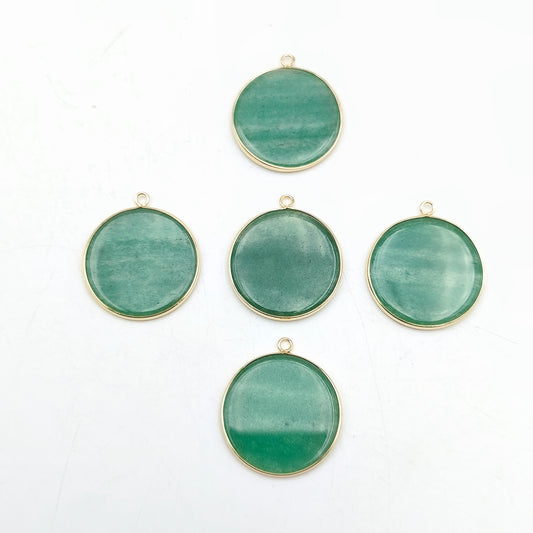
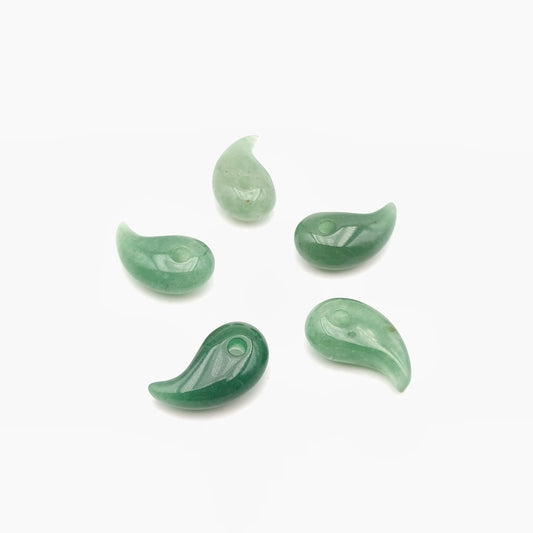
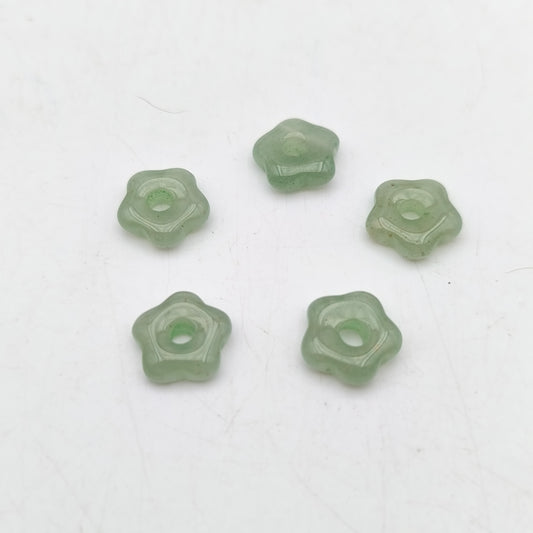
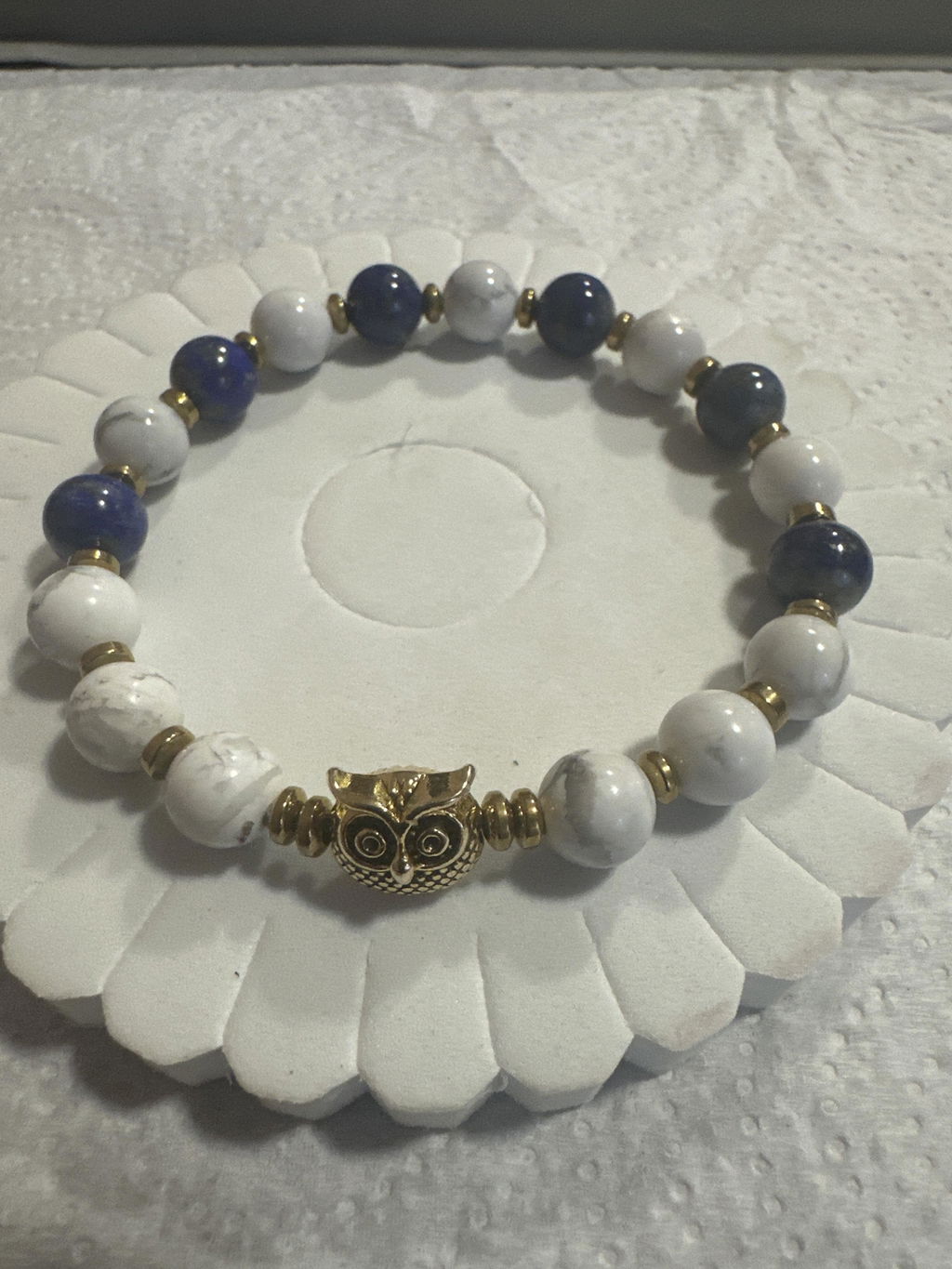
Aventurine is also highly prized in jewelry making. Bracelets, pendants, and necklaces showcase the stone's natural color while offering elegant, symbolic accessories. Jewelry makers often use polished beads or cabochons to create original artisanal pieces.
In the field of décor and spirituality, aventurine can also be sculpted into different shapes: spheres, hearts, pyramids, or symbolic objects. These pieces attract customers interested in decorative minerals or wellness-related objects. Collectors and mineralogy enthusiasts also appreciate raw blocks, which allow them to observe the stone's natural structure.
For professionals, this product diversity represents a real commercial advantage. It allows them to offer a complete range of articles centered on a single stone, suited to different budgets and customer profiles.
Aventurine in traditions and crystal healing
In traditions related to natural stones, aventurine holds an important place due to its positive symbolism. For a long time, it has been associated with luck, emotional balance, and inner harmony. This reputation contributes greatly to its popularity in the worlds of wellness and spirituality.
In crystal healing, aventurine is often linked to the heart chakra, the energy center symbolically associated with emotions, love, and openness to others. Some practitioners believe that it promotes a peaceful emotional atmosphere and encourages serenity. It is also sometimes associated with the idea of abundance or favorable opportunities, which explains why it is often presented as a lucky stone.
The softness of its green color also contributes to the image of balance and calm attributed to it. In meditation or relaxation spaces, aventurine is sometimes used as a symbolic aid to promote relaxation and concentration. Its presence in energy practices is often linked to the search for harmony and emotional stability.
It is important to remember that these interpretations belong to cultural traditions and spiritual practices. They are in no way a substitute for medical or scientific advice. Nevertheless, these symbolisms play an important role in the interest that many people take in natural stones, which helps maintain a constant demand for aventurine in specialty shops.
Why offer aventurine in your shop?
Aventurine is a particularly interesting stone for professionals in the natural mineral sector. Its popularity, affordable price, and versatility make it an easy product to integrate into a sales range. In many shops, it is one of the essential stones, as it attracts both beginners and more experienced collectors.
Its luminous green color has a strong visual appeal. Placed in a display case or on a store display, aventurine naturally catches the eye thanks to its sparkling reflections. This aesthetic quality allows for the creation of attractive displays that encourage customer curiosity.
From a commercial point of view, aventurine also has the advantage of existing in many forms. A shop can offer low-priced tumbled stones, more elaborate jewelry, or larger decorative objects. This diversity allows it to reach different customer segments, from the occasional visitor to the mineral enthusiast.
Aventurine's reputation in crystal healing also contributes to its demand. Many customers seek this stone for its positive symbolism and to incorporate it into their daily lives as jewelry or a personal object. For a professional, this means it is an easy stone to explain and promote to the public.
In summary, offering aventurine in a specialty shop allows you to enrich your range with a stone that is simultaneously aesthetic, symbolic, and accessible, capable of appealing to a wide range of customers.
Your natural aventurine wholesaler
For over ten years, Minéraux d’Ailleurs has supported professionals in sourcing natural stones. Our company relies on a network of partners specializing in the extraction and processing of minerals to offer carefully selected aventurines. Each batch is chosen for its visual quality, uniformity, and authenticity.
As a wholesaler, we understand the specific needs of professionals: product availability, variety of formats, and reliable deliveries. Our goal is to enable shops, creators, and practitioners to have a stable stock that is regularly replenished. This logistical organization guarantees a constant supply of natural aventurine.
We also place great importance on quality control. Each stone is examined to check its appearance, finish, and consistency with the standards expected in the mineral trade. This rigor ensures a satisfying experience for both professionals and their end customers.
By choosing Minéraux d’Ailleurs as your aventurine supplier, you benefit from an experienced partner in the wholesale of natural stones. Our team remains available to support you in your product choices, guide you toward the references suited to your activity, and help you build a coherent range around minerals.
Learn more about aventurine
To complete your knowledge and enrich your offer to your customers, we make a series of practical guides dedicated to aventurine available to you. This detailed content will allow you to provide clear and precise information to your buyers, thereby strengthening their confidence and interest in your products.
Aventurine's properties: emotional, physical, and energetic benefits
How to use aventurine daily
How to cleanse and recharge an aventurine
How to recognize a real aventurine
Astrological signs and aventurine: for which signs is it made?
To discover other natural minerals available for wholesale, visit our complete collection on our natural stone page.
Discover our varieties of natural aventurine
Crystal healing information is based on traditions and does not constitute medical advice.
Discover our aventurine bead strands and bracelets: