Wholesale Natural Pink and Black Tourmaline – Supplier for Professionals
Tourmaline is one of the most popular minerals in the world of natural stones. Recognizable by its deep colors and often striated crystals, it holds an important place in jewelry, mineralogy, and crystal healing. In the mineral market, certain varieties such as black tourmaline or pink tourmaline are particularly sought after for their aesthetics, symbolism, and versatility in artisanal creations.
Minéraux d’Ailleurs offers professionals a selection of natural tourmalines carefully chosen for their quality and authenticity. Our range is aimed at specialty shops, jewelry designers, crystal healing practitioners, and wellness professionals wishing to offer authentic minerals to their customers. Each stone is carefully selected to ensure visual and mineralogical quality suitable for resale.
Tourmaline has the advantage of existing in different forms and in several shades, making it a particularly interesting stone for professionals. It can be offered as rough stones for natural mineral enthusiasts, tumbled stones for everyday use, or beads intended for jewelry making. This diversity allows it to meet a wide range of demands, whether for decoration, collecting, or energy practices.
Thanks to our experience in the wholesale of natural stones, we support professionals in their tourmaline sourcing with selected products, regular stock, and logistics tailored to the needs of resellers.
What is tourmaline?
Tourmaline is a family of minerals belonging to the complex silicate group, notably containing boron. It is distinguished by a particular crystal structure that generally forms elongated crystals featuring characteristic longitudinal striations. This mineral has been appreciated for centuries for its varied colors and unique physical properties.
The name "tourmaline" comes from the Sinhalese word "turamali," used in Sri Lanka to refer to different colored stones. Over time, this term was adopted by mineralogists to refer to this entire mineral family. Tourmaline stands out for its great chemical diversity, which explains the variety of colors that can be observed in nature.
In the natural stone trade, certain varieties are particularly popular. Black tourmaline, often called schorl in mineralogical classification, is one of the most widespread and in-demand. Pink tourmaline, on the other hand, generally belongs to the elbaite variety and is distinguished by its delicate shades ranging from pale pink to deep pink.
Beyond its aesthetic appeal, tourmaline also attracts the attention of collectors and mineralogy enthusiasts for its crystal structure and complex composition. It can feature perfectly formed crystals, sometimes included in rock matrices, making it a highly prized stone in mineral collections.
Visual characteristics and varieties of tourmaline
Tourmaline is known for its great visual diversity. It can appear in different colors, transparencies, and crystal structures depending on its chemical composition and formation environment. This chromatic richness largely contributes to its popularity in the world of natural stones and jewelry.
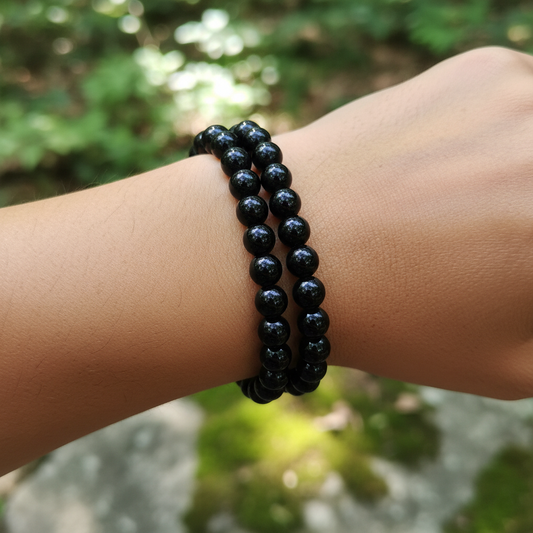
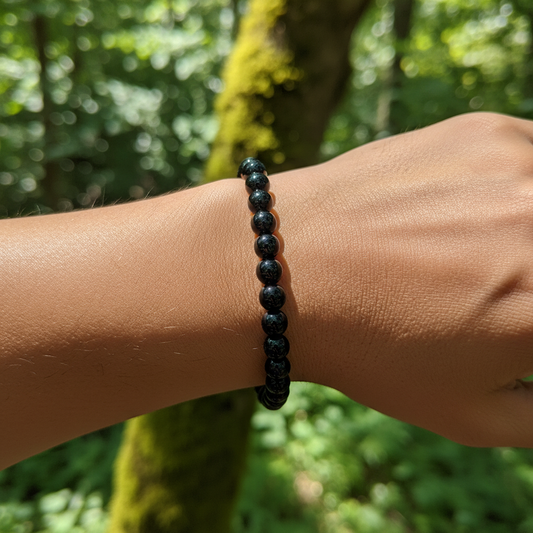
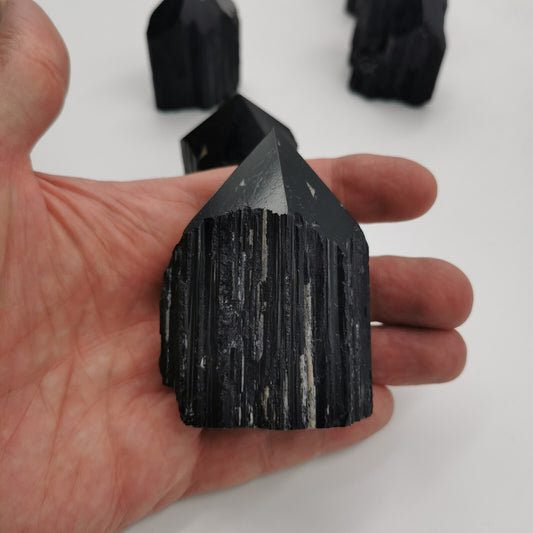
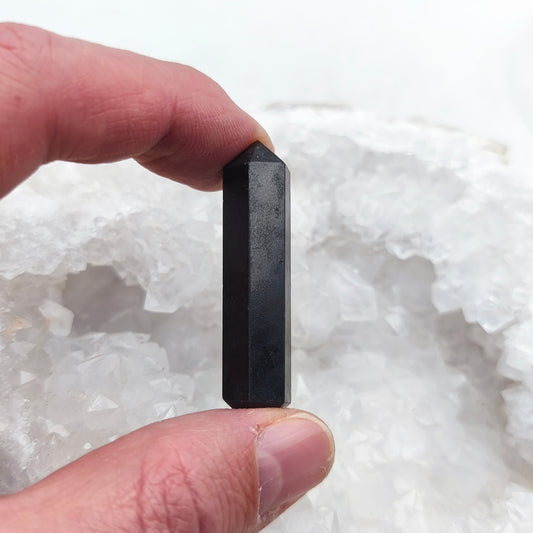
Black tourmaline is probably the best-known variety on the market. It is characterized by its intense black color and elongated crystals often marked by fine parallel striations. These crystals can reach several centimeters in length and possess a vitreous luster that highlights their natural structure.
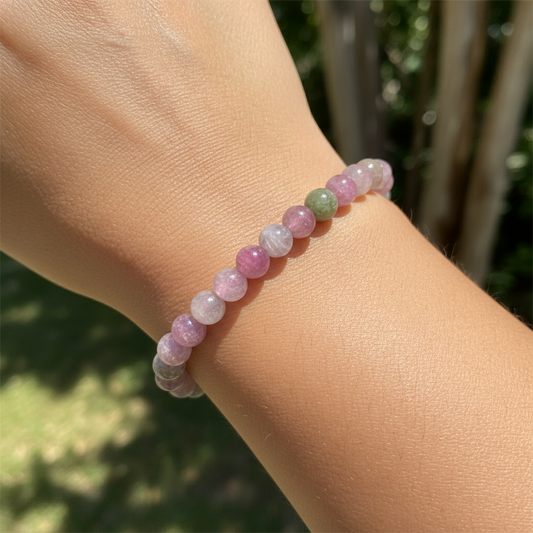
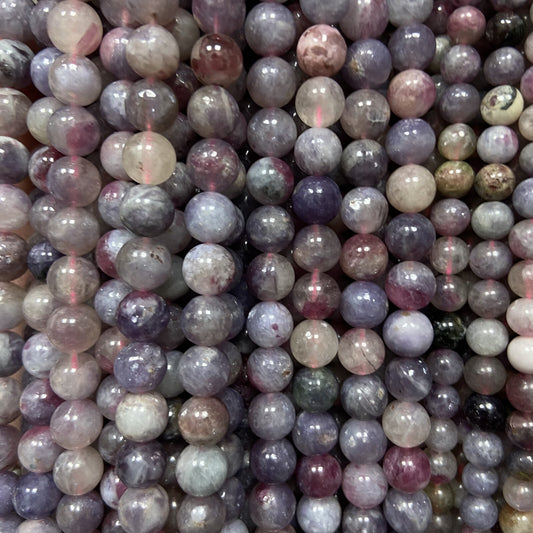
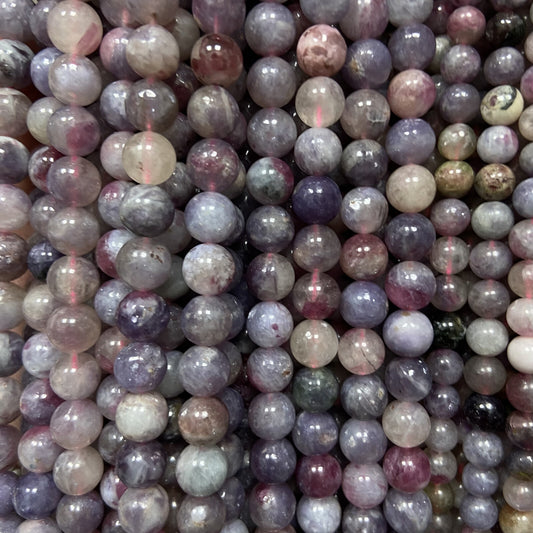
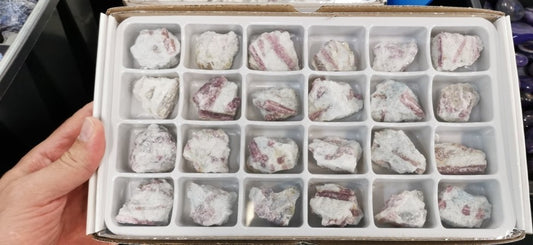
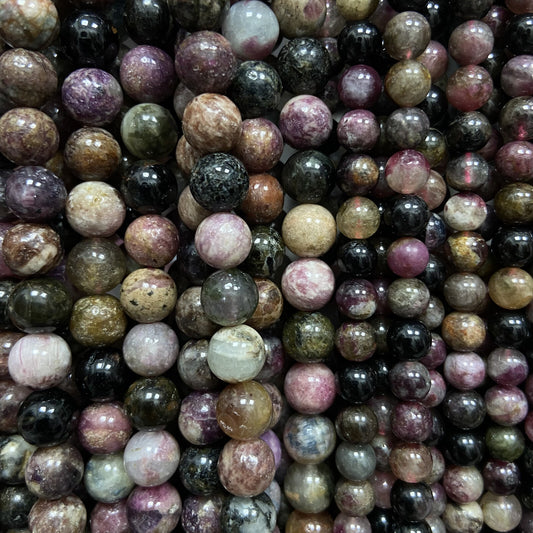
Pink tourmaline is distinguished by its soft shades ranging from light pink to deep pink. Some stones may exhibit slight transparency, making them particularly prized in jewelry. This variety attracts attention for its delicate and luminous appearance, highly sought after in artisanal creations and energy jewelry.
In some cases, tourmaline can also feature two-tone or multicolored crystals. These natural formations appear when the chemical composition changes during crystal growth. One can then observe color transitions within a single stone, creating particularly spectacular visual effects.
The hardness of tourmaline generally ranges between 7 and 7.5 on the Mohs scale, making it a relatively resistant stone suitable for various uses. This strength allows it to be worked into cabochons, beads, or decorative objects while retaining its natural beauty.
Origin and geology of tourmaline
The formation of tourmaline is closely linked to geological environments rich in boron. This mineral develops mainly in igneous and metamorphic rocks, notably in granite pegmatites. These geological formations promote the growth of sometimes very well-developed crystals, which can reach impressive sizes.
Pegmatites are particularly important in the formation of many varieties of tourmaline. They are characterized by the slow crystallization of magma, allowing minerals to develop into well-formed crystals. Under these conditions, tourmaline can appear in the form of highly aesthetic prismatic crystals.
Several regions of the world are known for their tourmaline deposits. Brazil is one of the main producers, with mines famous for their colored crystals and high-quality specimens. Africa, notably Mozambique, Namibia, and Madagascar, is also an important source of natural tourmalines used in jewelry and crystal healing.
Tourmaline is also found in Afghanistan, Pakistan, and Sri Lanka, where certain mines produce crystals with particularly sought-after colors. Each geographical origin can present specific characteristics in terms of hues, transparency, or crystal structure.
For industry professionals, the origin of the stones is often an important criterion. Good traceability allows for the guarantee of the mineral's authenticity and ensures consistent quality in sourcing.
Forms of tourmaline offered to professionals
Tourmaline can be offered in many forms, making it particularly versatile for shops and jewelry designers. Rough stones are among the most appreciated formats by collectors and natural mineral enthusiasts. They retain their original crystal structure and highlight the raw beauty of the mineral.
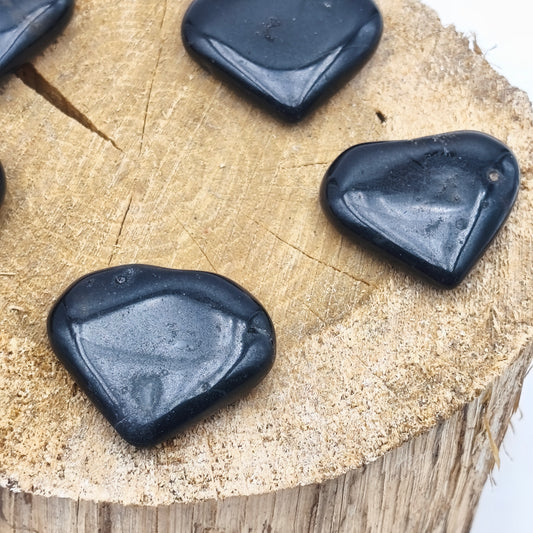
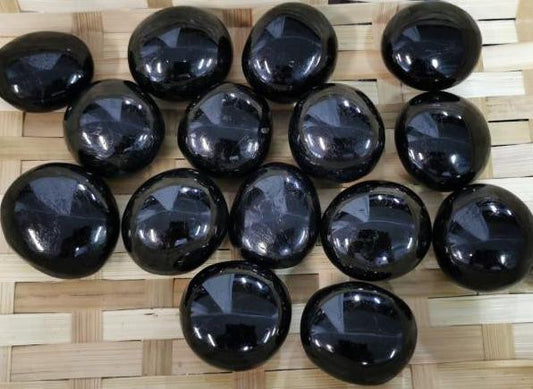
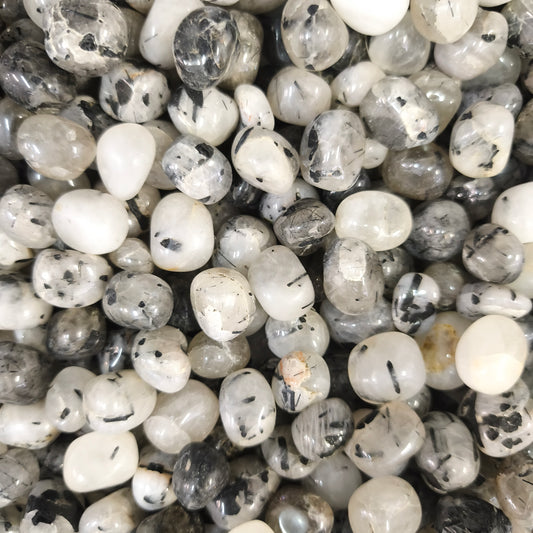
Tumbled stones also constitute a highly sought-after product in mineral shops. Mechanically polished to achieve a smooth surface pleasant to the touch, they are easy to handle and suitable for everyday use. This format is often chosen by customers interested in natural stones for their symbolism or aesthetics.
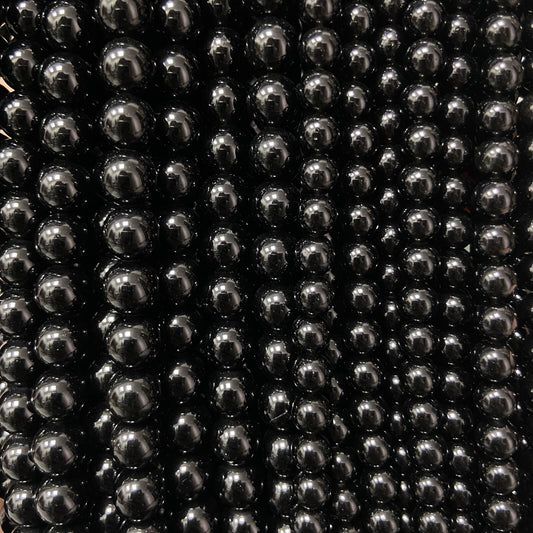
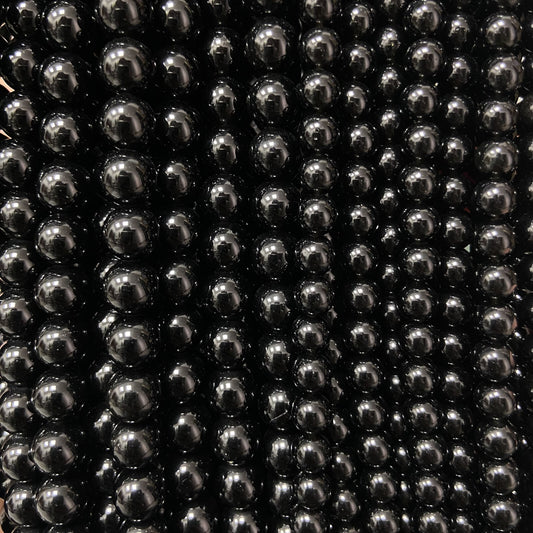
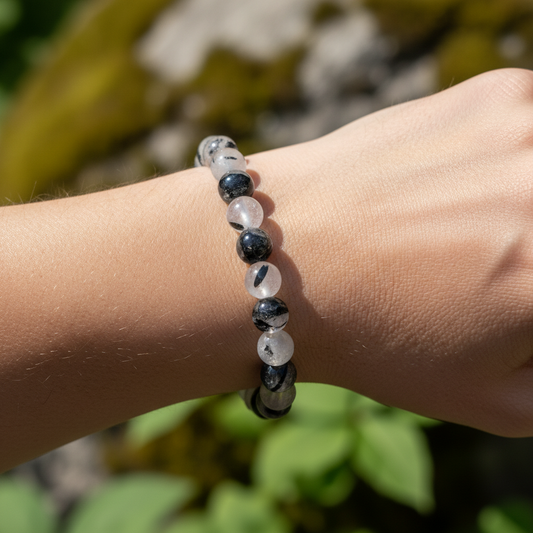
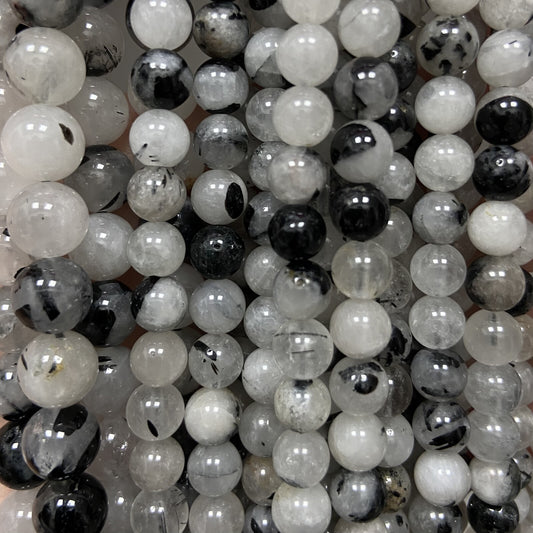
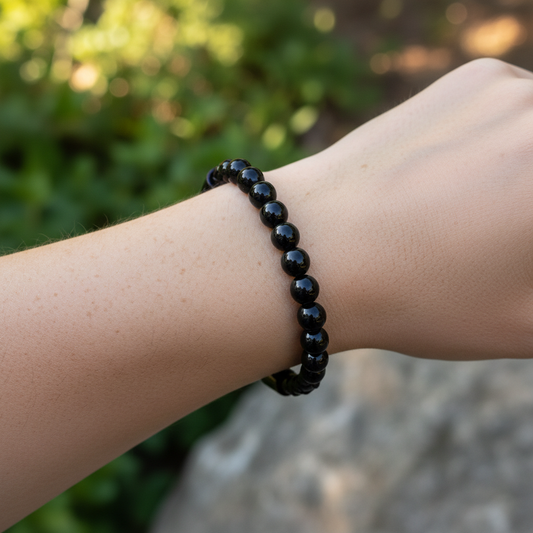
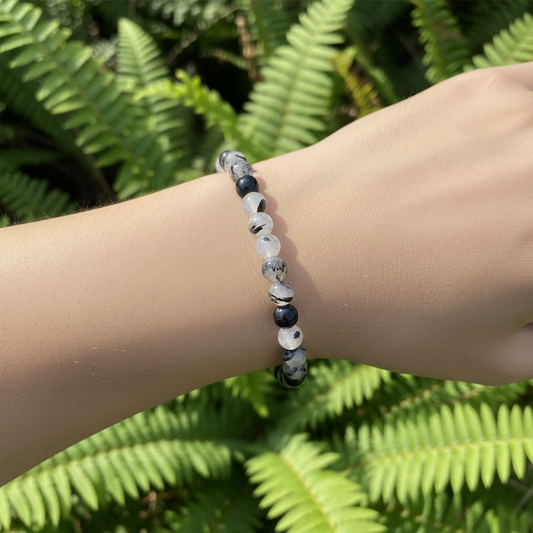
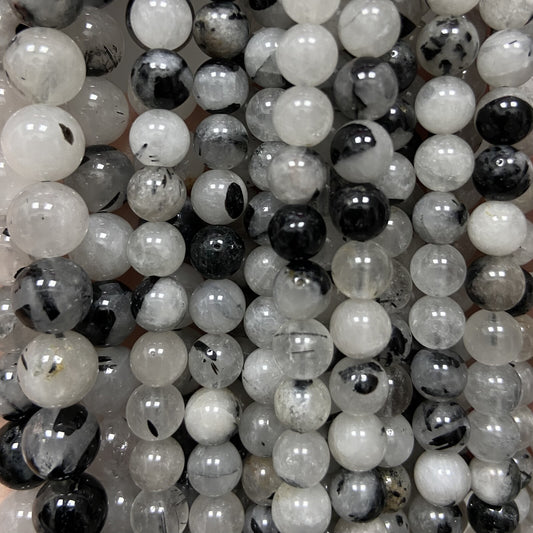
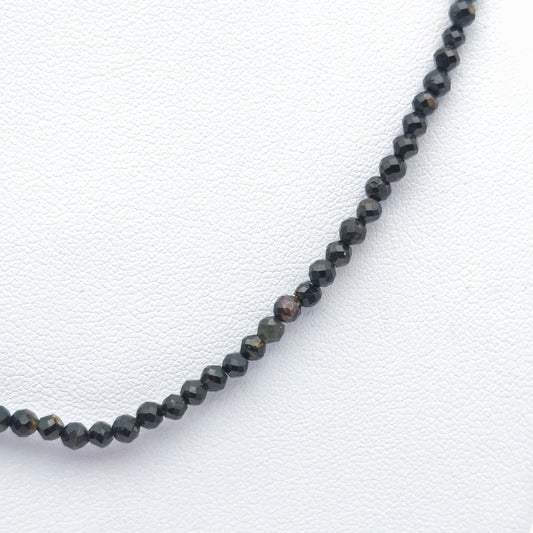
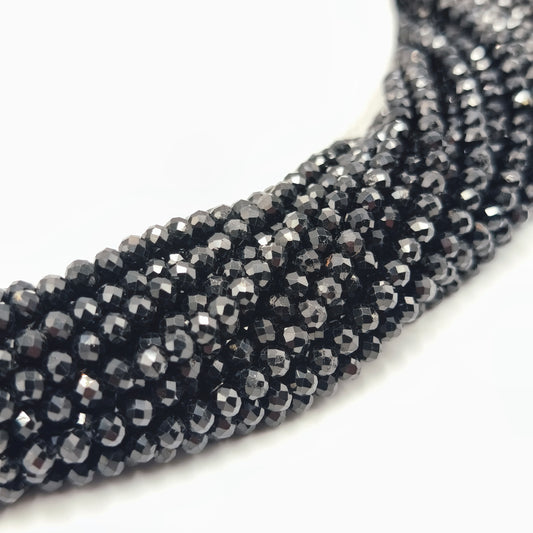
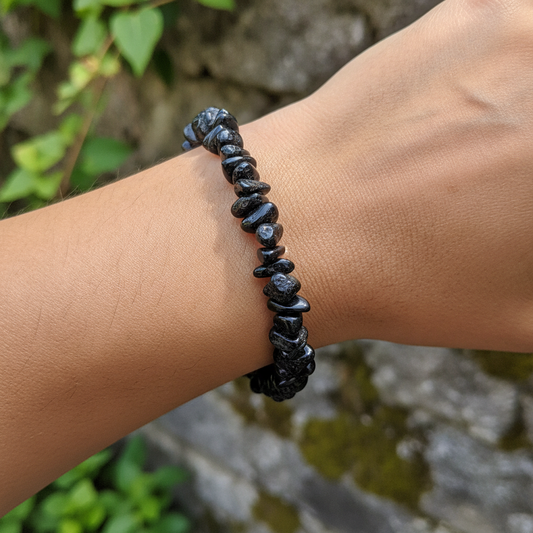
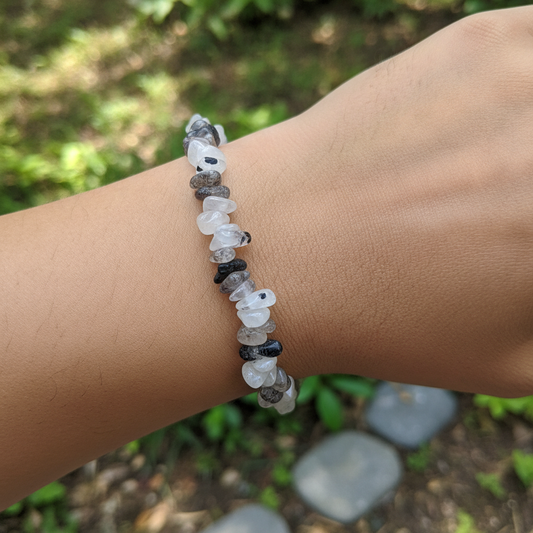
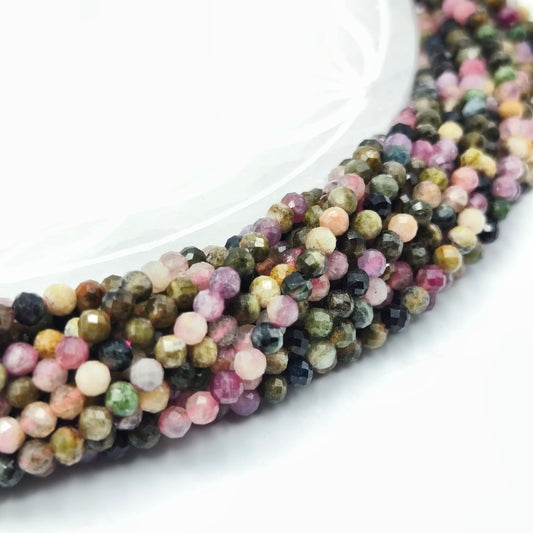
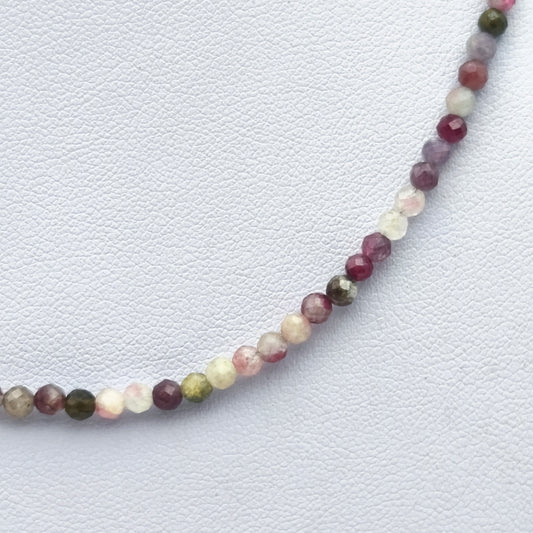
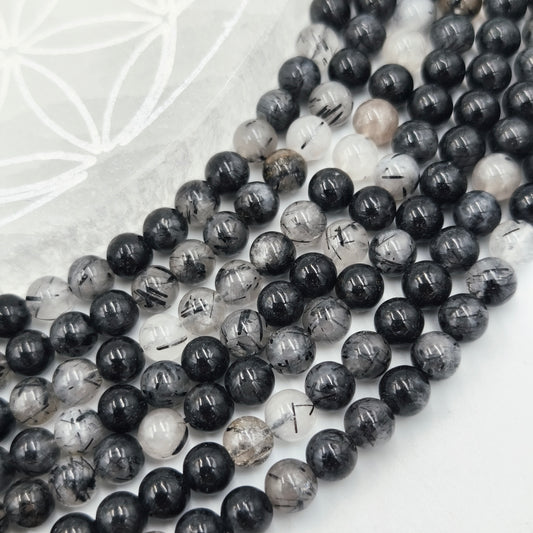
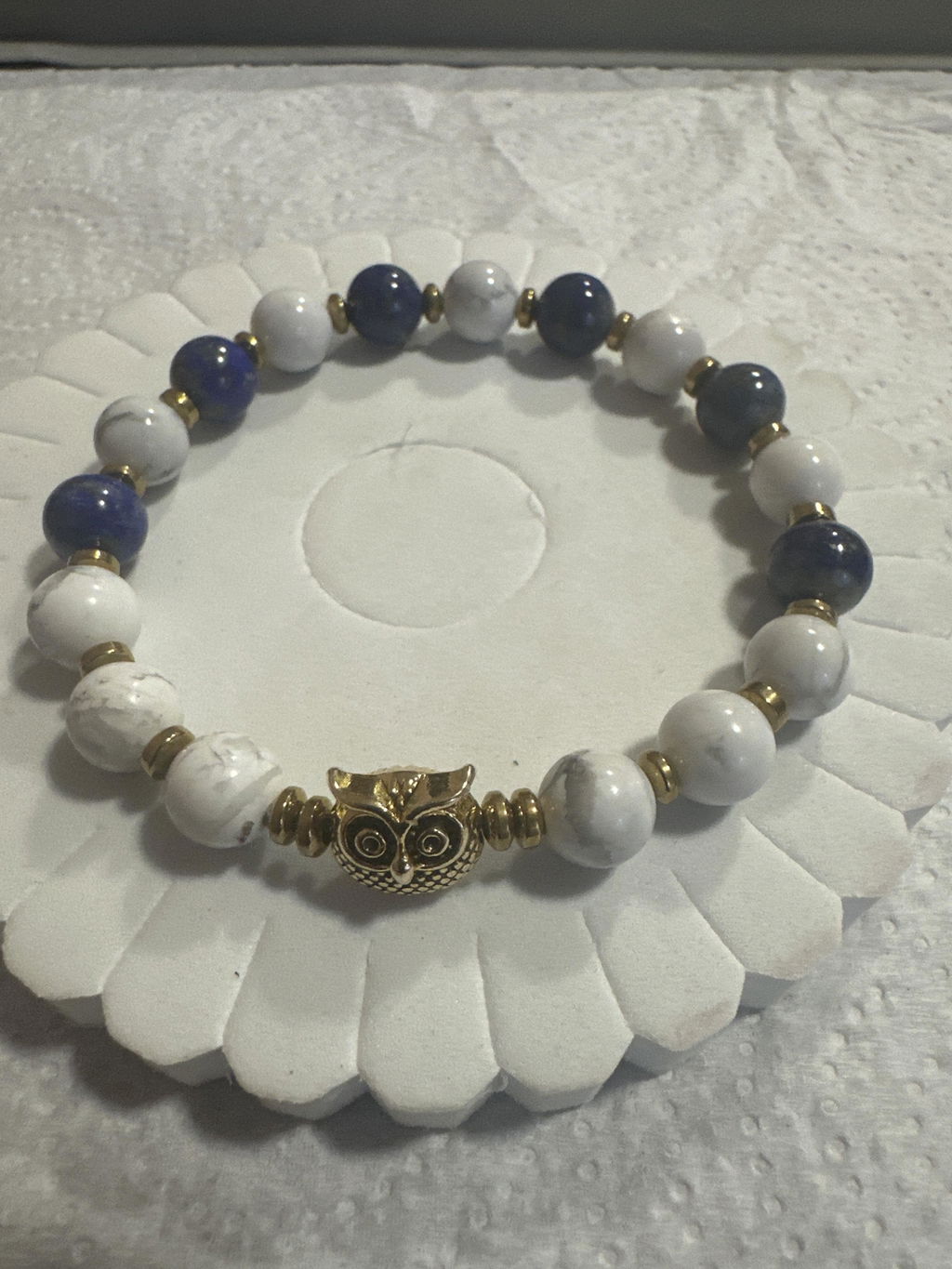
Tourmaline is also widely used in jewelry making. Tourmaline beads allow for the creation of bracelets, necklaces, or earrings. Their color and luster add an elegant touch to artisanal creations. Cabochons and pendants are also very popular for making unique jewelry.
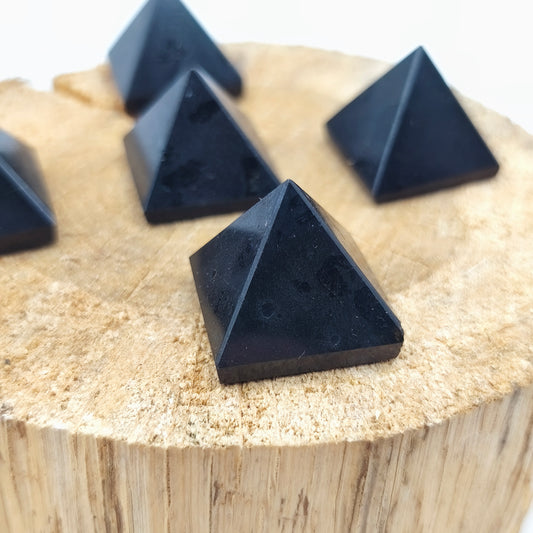
In some collections, tourmaline is offered in the form of spheres, points, or decorative objects. These pieces are often used for interior decoration or to accompany energy practices. They can also make attractive elements in a specialty shop display case.
This diversity of formats allows professionals to offer a varied range adapted to different types of customers, whether they are collectors, jewelry enthusiasts, or natural stone enthusiasts.
Tourmaline in crystal healing
In the world of crystal healing, tourmaline holds an important place. Many practitioners consider this stone an ally linked to energy balance and protection. Although these approaches belong to traditions and beliefs, they largely contribute to the popularity of tourmaline in mineral shops.
Black tourmaline is often associated with grounding and energy protection. Some practitioners believe that it acts as a shield against negative influences and promotes better emotional stability. It is frequently used in work environments or meditation spaces.
Pink tourmaline is traditionally linked to the heart chakra in certain energy practices. It is often associated with notions of gentleness, harmony, and emotional balance. In symbolic approaches, this stone is linked to feelings of love, compassion, and emotional openness.
These interpretations vary according to traditions and practitioners. However, they contribute to the public's growing interest in tourmaline and explain why this stone remains highly present in specialty crystal healing shops.
Crystal healing information belongs to traditions and does not constitute medical advice.
Why offer tourmaline in your shop?
Tourmaline represents a safe bet for professionals in the mineral and crystal healing sector. Its popularity with the general public makes it an easily identifiable stone that is often sought after by customers. This popularity allows shops to offer a recognized product capable of attracting both enthusiasts and passionate collectors.
The diversity of colors and shapes constitutes a real commercial advantage. The same stone can be presented in different formats: jewelry, tumbled stones, rough minerals, or decorative objects. This versatility allows for the creation of a varied range while maintaining consistency around the same mineral.
Tourmaline also seduces with its aesthetic appearance. Its natural crystals, often striated and shiny, easily catch the eye in a display case or in a shop presentation. The shades of pink tourmaline bring an elegant touch to jewelry collections, while black tourmaline easily integrates into protection stone ranges.
For jewelry designers, tourmaline also offers many possibilities. Beads and cabochons allow for the creation of original and personalized pieces, highly appreciated by customers looking for unique jewelry.
Your tourmaline wholesaler
Minéraux d’Ailleurs supports professionals in their natural tourmaline sourcing thanks to a rigorous selection and solid experience in the field of stones and minerals. Our goal is to offer authentic products that meet the expectations of specialty shops, designers, and wellness practitioners.
Each tourmaline is chosen for its visual quality, mineral structure, and consistency with market standards. We work with reliable partners to guarantee stone traceability and regularity in supplies.
Our catalog includes different formats adapted for retail or transformation into jewelry. Professionals can thus create varied collections while benefiting from a supplier specializing in natural minerals.
Thanks to careful follow-up and adapted logistics, Minéraux d’Ailleurs is committed to offering professionals a reliable service for the wholesale of tourmaline.
Learn more about tourmaline
Tourmaline is a highly appreciated stone in crystal healing for its properties of energy protection, deep grounding, and emotional balance. Whether in rough, tumbled, or jewelry form, it is ideal for accompanying everyday life. To know it better and offer it to your customers, Minéraux d’Ailleurs invites you to explore these dedicated articles.
Discover our natural tourmaline varieties
Crystal healing information belongs to traditions and does not constitute medical advice.
Discover our strands of tourmaline beads and bracelets: