Wholesale Natural Jade – Supplier for Professionals
For millennia, Jade has fascinated civilizations around the world with its beauty, strength, and rich cultural significance. Used for both the creation of precious objects and the making of ornaments, it holds a special place in the world of natural stones. Even today, this stone remains highly sought after by jewelry designers, mineral specialty stores, lithotherapy practitioners, and collectors of authentic mineral specimens.
Minéraux d’Ailleurs offers a carefully selected range of Jade for professionals looking to source quality natural stones. Our collection includes various formats suitable for resale or transformation: tumbled stones, cabochons, beads, decorative objects, or raw specimens. Each batch is selected for its visual qualities, color, and consistency, to meet the expectations of jewelers, esoteric shops, therapists, and decorators.
Appreciated for its deep green shades as well as its lighter or slightly lavender varieties, Jade appeals to a very wide audience. Its fine texture and remarkable strength make it an ideal stone for lapidary work and the creation of durable objects. Symbolically, this stone is traditionally associated with harmony, wisdom, and inner balance.
Through this collection dedicated to natural Jade, our goal is to offer professionals a reliable, high-quality supply that meets the expectations of today’s mineral and lithotherapy markets.
What Is Jade?
The term Jade actually refers to two distinct but visually similar minerals: nephrite and jadeite. Historically, these two materials have been grouped under the same name due to their similar appearance and traditional uses. For a long time, these mineralogical differences were unknown, and ancient Jade objects may be made from either of these minerals.
Nephrite belongs to the amphibole family and is composed mainly of calcium and magnesium silicate. It is distinguished by an extremely strong fibrous structure, which explains why it has been used since prehistoric times to make tools, weapons, or ritual objects. Its compact texture and great toughness make it particularly durable.
Jadeite, on the other hand, belongs to the pyroxene family and is composed mainly of aluminum and sodium silicate. It generally has a brighter color and can achieve remarkable transparency in the most sought-after varieties. Some pieces of jadeite possess an intensity of color and purity that place them among the most precious ornamental stones in the world.
In both cases, Jade has a hardness between 6 and 7 on the Mohs scale. This strength makes it perfectly suited for jewelry making and sculpture. Its very fine grain also allows for high-quality polishing, creating smooth, shiny surfaces that highlight its natural nuances.
This dual mineralogical nature contributes to the richness and diversity of the Jade found on today’s natural stone market.
Visual Characteristics and Varieties of Jade
One of the main reasons for Jade’s success lies in the diversity of its colors and textures. Although green is the best-known shade, this stone can display a wide range of hues, from deep green to light green, as well as whitish, grayish, or slightly lavender tones.
The color of Jade depends mainly on its chemical composition and the elements present during its formation. Some specimens display a very soft, uniform color, while others feature veining, inclusions, or translucent areas that make each piece unique. These natural variations contribute greatly to the stone’s aesthetic appeal.
The most sought-after varieties often have an intense color and a very fine texture. When the stone is slightly translucent and deep green, it is particularly prized for making high-end jewelry. Other more opaque forms, with pale green or milky white hues, are also very popular for decorative objects and sculptures.
The polished surface of Jade generally reveals a soft, silky luster. Unlike some highly brilliant stones, its shine remains subtle yet elegant, giving it a natural and soothing appearance. This visual quality explains why it has been used in art and craftsmanship for centuries.
In mineralogy, Jade’s compact texture is one of its most distinctive characteristics. Its internal fibrous structure gives it great impact resistance, which sets it apart from many other decorative stones. This strength makes it an ideal material for cutting, polishing, and carving.
Thanks to this visual diversity and its physical qualities, Jade is equally suited to the creation of contemporary jewelry and the making of traditional or decorative objects.
Origin and Geology of Jade
Jade forms in specific geological environments associated with subduction zones and deep metamorphic transformations. These specific conditions of pressure and temperature allow the minerals that make up this stone to crystallize gradually.
Nephrite generally forms in metamorphic contexts at relatively moderate temperatures. It results from the alteration and transformation of rocks rich in magnesium and calcium. This process can take millions of years and leads to the formation of compact rock masses composed of very strong mineral fibers.
Jadeite, on the other hand, forms under much higher pressure conditions. It is often associated with tectonic collision zones where rocks are deeply buried and then transformed. This geological context explains the relative rarity of certain deposits and the high value of some Jade varieties.
Several regions around the world are known for producing quality Jade. Burma is one of the most famous sources, particularly for certain highly sought-after varieties. Other important deposits are found in Guatemala, China, Russia, Canada, and New Zealand.
Each region can produce stones with slightly different characteristics in terms of color, texture, and transparency. These variations contribute to the diversity of the market and allow professionals to offer their customers a wide range of options.
The historical presence of Jade in different cultures has also contributed to the worldwide reputation of this stone. In many civilizations, it was considered a noble material used to create ritual objects, jewelry, or symbolic sculptures.
Available Forms and Professional Uses
Jade comes in many forms suited to the needs of professionals in the mineral and jewelry industries. Its strength and uniform texture make it possible to produce a wide variety of objects, from small beads for jewelry making to large decorative sculptures.
In the jewelry industry, Jade is particularly prized in the form of beads, cabochons, or pendants. Round or faceted beads can be used to make necklaces, bracelets, and earrings. Cabochons are often used to set rings or create unique pieces.
Tumbled stones are also a very popular format in specialty stores. Their polished surface highlights the stone’s natural color while providing a format that is easy to handle and transport. This type of product is suitable for both resale in stores and use in energy practices.
Jade is also widely used to make decorative objects. Spheres, sculptures, or symbolic objects made from this stone appeal to mineral enthusiasts as well as interior decoration lovers. Their elegant and natural appearance makes it possible to create visually striking pieces.
Raw or partially polished specimens also interest collectors and mineralogy enthusiasts. These pieces allow you to observe the mineral’s natural texture and better understand its geological formation.
Thanks to this diversity of formats, Jade is a particularly versatile stone for professionals looking to enrich their catalog with products of high aesthetic and cultural value.
Jade in Traditions and Lithotherapy
Since antiquity, Jade has held an important place in many cultural traditions. In several civilizations in Asia and Central America, this stone was considered a symbol of purity, balance, and wisdom. Ritual objects, jewelry, and sculptures have been made from this precious material for centuries.
In some cultures, Jade was associated with the harmony between humans and nature. Its green color evoked growth, vitality, and the continuity of life. It was sometimes worn as a talisman or used in symbolic objects representing prosperity or longevity.
In contemporary lithotherapy, Jade is often associated with emotional balance and serenity. Some practitioners believe that it promotes a sense of calm and helps cultivate inner stability. This stone is also sometimes linked to ideas of harmony and wisdom in energy practices.
The stone is also frequently used during meditation or relaxation practices. Its soft texture and soothing appearance help create an atmosphere conducive to relaxation and concentration.
It is important to remember that these interpretations stem from cultural traditions and spiritual practices. They are part of the history and imagination associated with natural stones, which contributes to the interest many enthusiasts take in them.
Why Offer Jade in Your Store?
Jade is one of the best-known and most popular natural stones among the general public. Its international reputation and rich history make it a particularly attractive product for mineral specialty stores, jewelry stores, or shops selling symbolic objects.
Its timeless aesthetic is an important commercial asset. The different shades of green easily catch customers’ attention, while the stone’s smooth, elegant texture gives it a high-end appearance. This combination of natural beauty and cultural symbolism enhances its sales potential.
For jewelry designers, Jade is also a very appealing raw material. Its strength makes it possible to create durable jewelry, while its range of colors offers many creative possibilities. Jade beads and cabochons fit easily into modern or traditional collections.
In stores dedicated to minerals or lithotherapy, this stone is often considered an essential item. Its positive symbolism and historical reputation attract a diverse audience, from collectors to people simply curious about discovering natural stones.
Offering Jade in a store therefore allows you to expand your range while meeting a constant market demand. This stone benefits from a strong image and worldwide recognition that make it easier to showcase to customers.
Your Jade Supplier for Professionals
At Minéraux d’Ailleurs, we put our expertise at the service of professionals looking to source quality natural Jade. Our role as a supplier is to select consistent, attractive stones suited to the needs of the various professions related to minerals.
Each batch is carefully selected to ensure good visual consistency, satisfactory polishing quality, and attractive natural colors. We work with partners specializing in the extraction and processing of stones to offer reliable products suited to the professional market.
Our catalog is aimed at jewelers, mineral stores, lithotherapy practitioners, decorators, and specialty resellers. We offer volumes suited for wholesale while maintaining a quality selection that allows professionals to enhance their products for their customers.
Beyond simply supplying stones, we also support our partners with advice on products, the most popular formats, and market trends. This approach allows professionals to build a consistent and attractive range around natural stones.
Thanks to our experience in the mineral industry and our supply network, we strive to offer a reliable, attractive Jade collection that meets the demands of professionals.
Learn More
Discover Our Varieties of Natural Jade
Lithotherapy information is based on tradition and does not constitute medical advice.
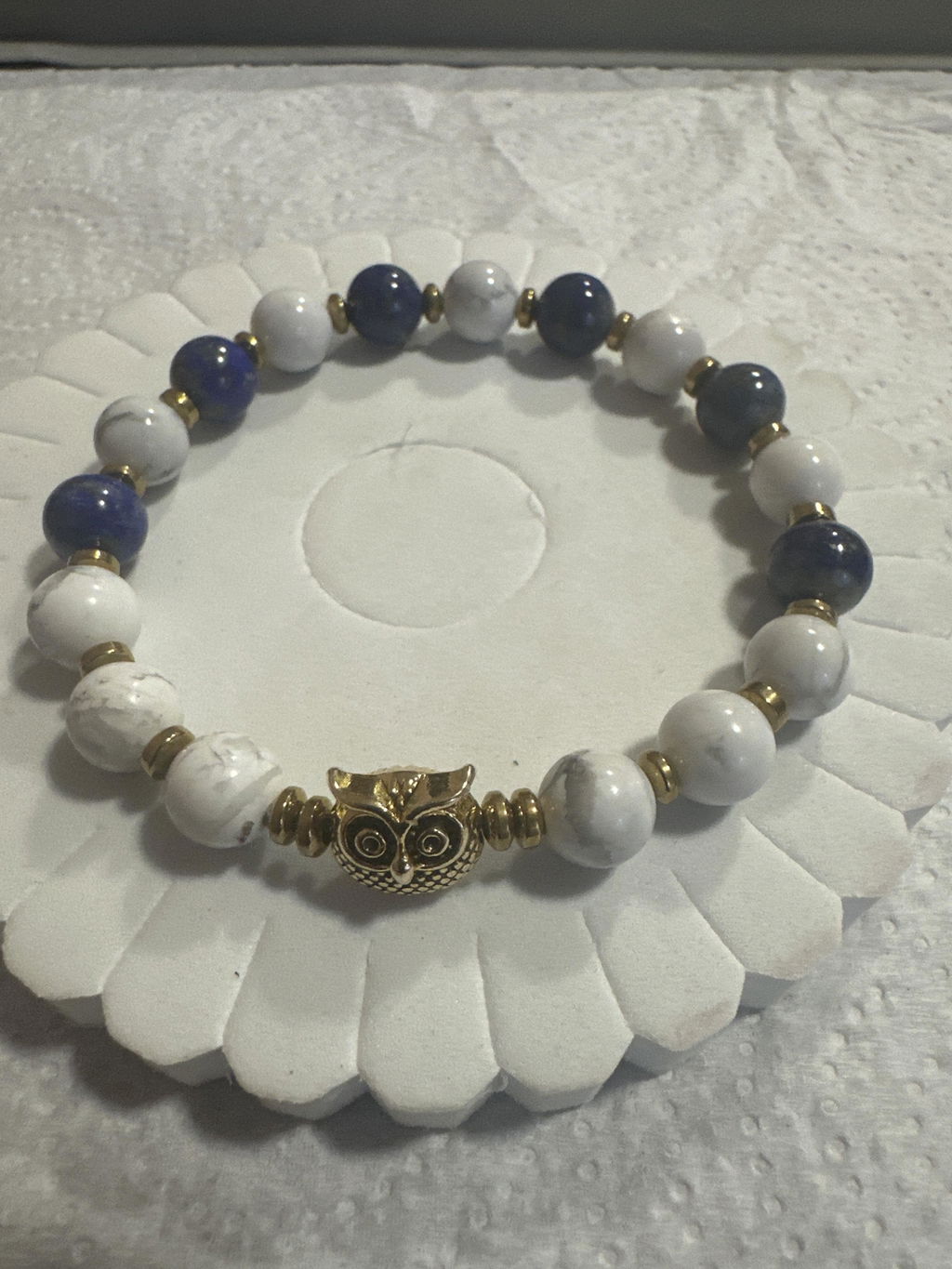
Discover our Jade bead and bracelet strands: