Natural Aquamarine Wholesale – Supplier for Professionals
Aquamarine is one of the most prized stones in the world of natural minerals. Its light blue color evoking pure water, its crystalline transparency, and its natural elegance make it a highly sought-after gem by jewelry, lithotherapy, and mineralogy professionals. For centuries, this stone has fascinated people as much for its beauty as for the traditions and symbolism associated with it. Even today, it remains a must-have in natural stone collections intended for specialized retail.
Minéraux d’Ailleurs has established itself as a trusted partner for professionals looking to source natural Aquamarine. Our company carefully selects stones from renowned deposits to guarantee authenticity, quality, and traceability. As an Aquamarine wholesaler, we offer boutiques, jewelry designers, therapists, and specialized distributors a complete range of products tailored to the demands of the professional market.
Our catalog covers many forms of Aquamarine: rough stones, tumbled stones, beads for jewelry making, cabochons, decorative objects, and even finished jewelry. Each piece is chosen for its aesthetic and mineralogical qualities, allowing professionals to offer their customers an authentic and attractive natural stone.
Beyond simple distribution, our approach is based on a true passion for mineralogy. We work directly with partners on the ground to select remarkable specimens and ensure sustainable sourcing. Thanks to this expertise, Minéraux d’Ailleurs supports professionals in the wholesale of Aquamarine with a constant commitment to quality, consistency, and transparency.
What is Aquamarine?
Aquamarine is a natural variety of beryl, a mineral group also known for producing some of the planet's most famous gems. Within this crystal group, Aquamarine stands out for its characteristic blue hue, which can range from very pale blue to a deeper blue depending on the concentration of certain elements present in its structure. Its name comes from the Latin “aqua marina,” which literally means “sea water,” a perfectly fitting name for the soft, luminous color of this stone.
Chemically, Aquamarine is an aluminum and beryllium silicate. Its coloration is generally linked to the presence of trace amounts of iron in the crystal lattice. These elements give rise to the blue shades so typical of this natural stone. Aquamarine forms in specific geological environments, particularly in granite pegmatites, where conditions allow for the growth of sometimes spectacular crystals.
This stone is prized for its clarity and transparency. High-quality specimens can exhibit remarkable clarity, which explains why Aquamarine is widely used in jewelry and gemstone work. Natural crystals often take on a hexagonal prismatic shape, sometimes very well-developed, which also attracts the attention of collectors and mineral enthusiasts.
Thanks to its combination of natural beauty, durability, and transparency, Aquamarine holds a special place in the natural stone trade. It is equally suitable for jewelry creations, energy objects, or decorative items, which explains its enduring popularity among industry professionals.
Visual Characteristics and Mineralogical Properties
Aquamarine is immediately recognizable by its delicate blue color, often compared to that of crystal-clear water. Shades can vary considerably depending on the deposit and the stone's chemical composition. Some stones display a very light blue, almost translucent color, while others show a more intense blue with a slight greenish tint. This diversity of tones contributes to the unique charm of each specimen.
Transparency is one of Aquamarine's most appreciated characteristics. The purest crystals can be perfectly clear, with very few inclusions visible to the naked eye. Other stones feature natural inclusions in the form of veils, filaments, or internal microstructures. These inclusions are not necessarily flaws: they often attest to the mineral's natural origin and contribute to the identity of each stone.
Physically, Aquamarine has a hardness of 7.5 to 8 on the Mohs scale. This relatively high resistance makes it particularly suitable for jewelry making, as it withstands daily wear well when properly set. Its hexagonal crystal structure also gives it excellent stability.
Natural Aquamarine crystals can reach impressive sizes in certain deposits. It is not uncommon to find well-formed prismatic crystals, sometimes translucent and highly pure. These specimens are particularly appealing to collectors and mineralogy enthusiasts.
Depending on their quality and size, stones can be cut into faceted gems, shaped into cabochons, or used as beads for jewelry making. Larger stones can also be polished or sculpted to create decorative or energy objects. This versatility explains Aquamarine's presence in many professional fields related to natural minerals.
Origin and Geology of Aquamarine
Aquamarine forms primarily in granite pegmatites, geological environments rich in rare elements where crystals can grow slowly over long periods. This slow crystallization process allows for the development of well-formed and sometimes large crystals. Temperature, pressure, and chemical composition conditions play a decisive role in the formation of this stone.
Aquamarine deposits are found in several regions around the world. Brazil remains one of the most famous sources, particularly in the state of Minas Gerais, where certain mines produce particularly clear and large crystals. Stones from this region are often sought after for their luminous blue color and transparency.
Other countries are also renowned for the quality of their natural Aquamarine. Madagascar, for example, offers specimens with delicate hues, while Pakistan and Afghanistan sometimes produce very well-formed crystals from mountainous regions. In Africa, deposits located in Mozambique or Nigeria also contribute to the international market supply.
The diversity of origins sometimes influences the color and internal structure of the stones. Some geological areas produce clearer crystals, while others can produce stones with slightly more saturated colors. For industry professionals, this diversity is a real advantage, as it allows them to offer different qualities and aesthetics of Aquamarine.
At Minéraux d’Ailleurs, we pay particular attention to the traceability of the stones. Suppliers and extraction sites are carefully selected to ensure responsible and sustainable sourcing. This commitment allows us to offer professionals authentic natural stones from reliable supply chains.
Available Forms and Professional Uses
Aquamarine can be offered in many forms, making it a particularly interesting stone for professionals in the natural mineral sector. Each format serves specific uses and allows you to reach different types of customers.
Tumbled stones are one of the most popular formats. Obtained through mechanical polishing, they have a smooth surface that is pleasant to the touch. These stones are highly appreciated in lithotherapy boutiques, esoteric shops, or wellness spaces. Their compact size makes them easy to carry and use daily.
Rough Aquamarine stones are particularly appealing to collectors and mineralogy enthusiasts. Natural crystals, sometimes well-formed, can reveal the mineral's entire geometric structure. They are also used as decorative elements in certain spaces dedicated to natural stones.
For jewelry designers, Aquamarine is also available in the form of round beads, faceted beads, or cabochons. These elements can be used to create bracelets, necklaces, pendants, or earrings. The stone's soft color pairs easily with different metals and design styles.
Polished objects constitute another appreciated category. Spheres, pebbles, points, or sculpted shapes highlight Aquamarine's natural beauty while creating elegant decorative pieces. These objects are often offered in boutiques specializing in minerals, natural décor, or wellness.
Thanks to this diversity of formats, Aquamarine adapts to many professional fields. It can be incorporated into both an artisanal jewelry range and an assortment of collector stones or energy objects.
Aquamarine in Lithotherapy and Traditions
Since antiquity, Aquamarine has been associated with the world of water and maritime voyages. In some ancient traditions, it was considered a protective stone for sailors. Sailors sometimes wore it as a talisman to promote safe crossings and appease the forces of the sea.
In contemporary lithotherapy practices, Aquamarine is often associated with communication, clarity of expression, and emotional balance. Some practitioners believe that this stone is symbolically linked to the throat chakra, which represents personal expression and the ability to communicate sincerely.
The softness of its color also evokes calm, serenity, and fluidity. For this reason, Aquamarine is sometimes used in meditation or relaxation practices. Some people choose to wear it as jewelry or keep it in their personal environment to benefit from its soothing symbolism.
In symbolic tradition, this stone is also associated with sincerity, loyalty, and transparency of feelings. These cultural associations explain why Aquamarine is often given as a gift for significant events or used in jewelry with strong emotional value.
Lithotherapy information is based on traditions and does not constitute medical advice.
Why Offer Aquamarine in Your Boutique?
Aquamarine holds a privileged place in the world of natural stones, making it a particularly interesting product for specialized retail professionals. Its soft, luminous color immediately catches the eye and easily integrates into many aesthetic environments.
In mineral and lithotherapy boutiques, Aquamarine is one of the most requested stones. Its symbolism linked to serenity and communication attracts a diverse clientele, ranging from natural stone enthusiasts to people interested in energy traditions.
For jewelry designers, this stone also offers strong commercial potential. Its transparency and elegant color allow for the creation of refined pieces that appeal to both fans of understated jewelry and natural gemstone enthusiasts. Aquamarine bracelets, necklaces, or pendants generally enjoy good popularity with the public.
The diversity of available forms also allows you to regularly refresh the range offered in your boutique. Tumbled stones, rough crystals, beads, or decorative objects can be displayed together to create a space dedicated to this particularly attractive stone.
Thanks to its reputation, natural beauty, and versatility, Aquamarine is a safe bet for professionals looking to enrich their natural stone catalog and offer products that are both aesthetic and symbolic.
Your Natural Aquamarine Wholesaler
Minéraux d’Ailleurs has supported professionals in the natural stone sector for many years. Our role as an Aquamarine wholesaler is to select authentic stones and offer a range tailored to the needs of specialized boutiques, designers, and distributors.
Our team relies on in-depth mineralogy expertise and an international network of partners. This collaboration allows us to choose stones from renowned deposits while ensuring compliance with quality and traceability criteria.
Each lot of Aquamarine is examined to assess the color, transparency, and overall quality of the stones. This rigorous selection guarantees professionals consistent supply and reliable quality for their customers.
By working with Minéraux d’Ailleurs, professionals benefit from access to a wide range of natural Aquamarine products, responsive service, and support tailored to market needs. Our goal is to provide authentic and attractive stones that enhance the offerings of specialized boutiques.
Thanks to this demanding approach, we are now recognized as a reliable Aquamarine supplier for many professionals in Europe and internationally.
Aquamarine Guides
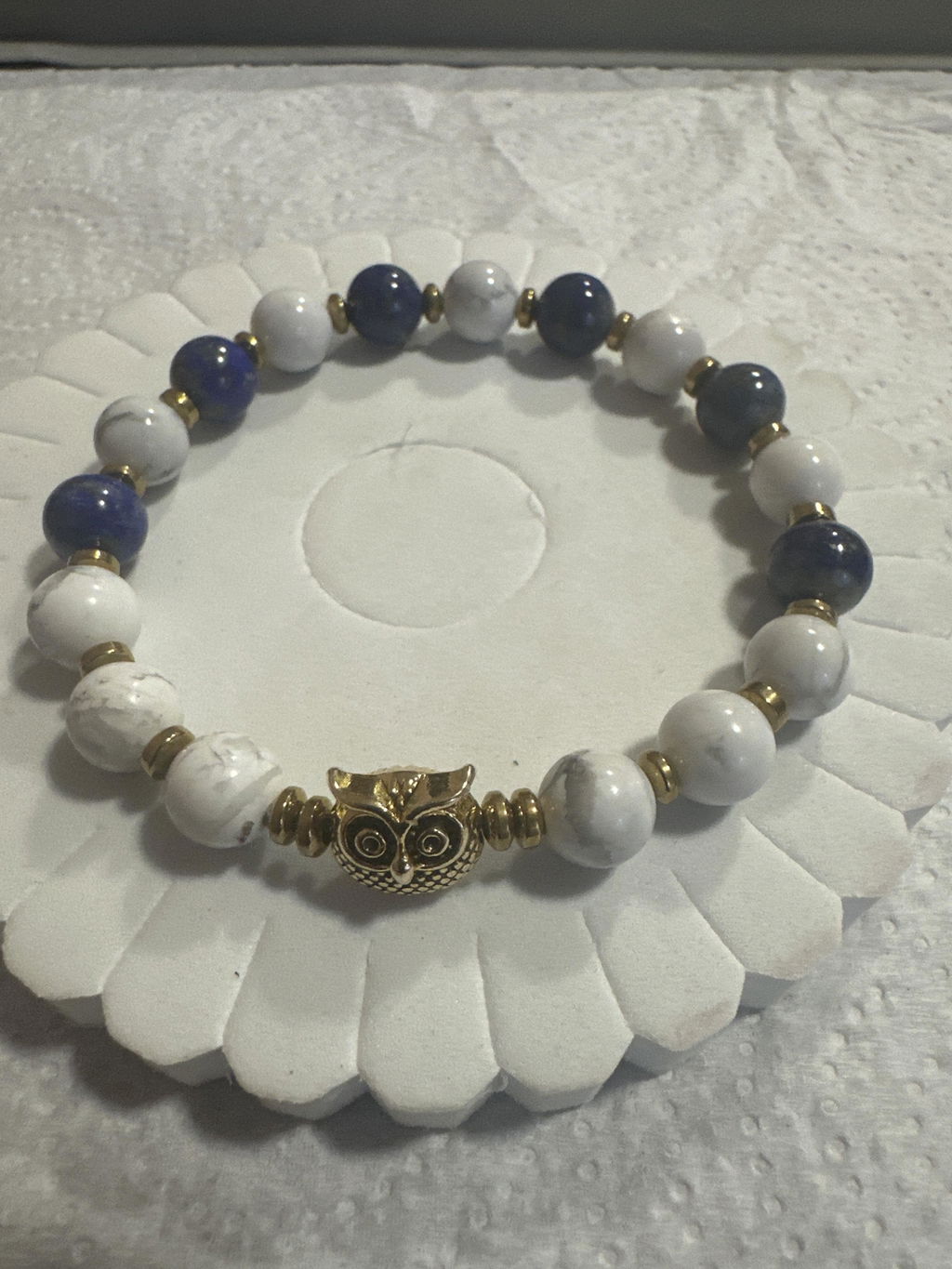
Discover our Aquamarine bracelets: