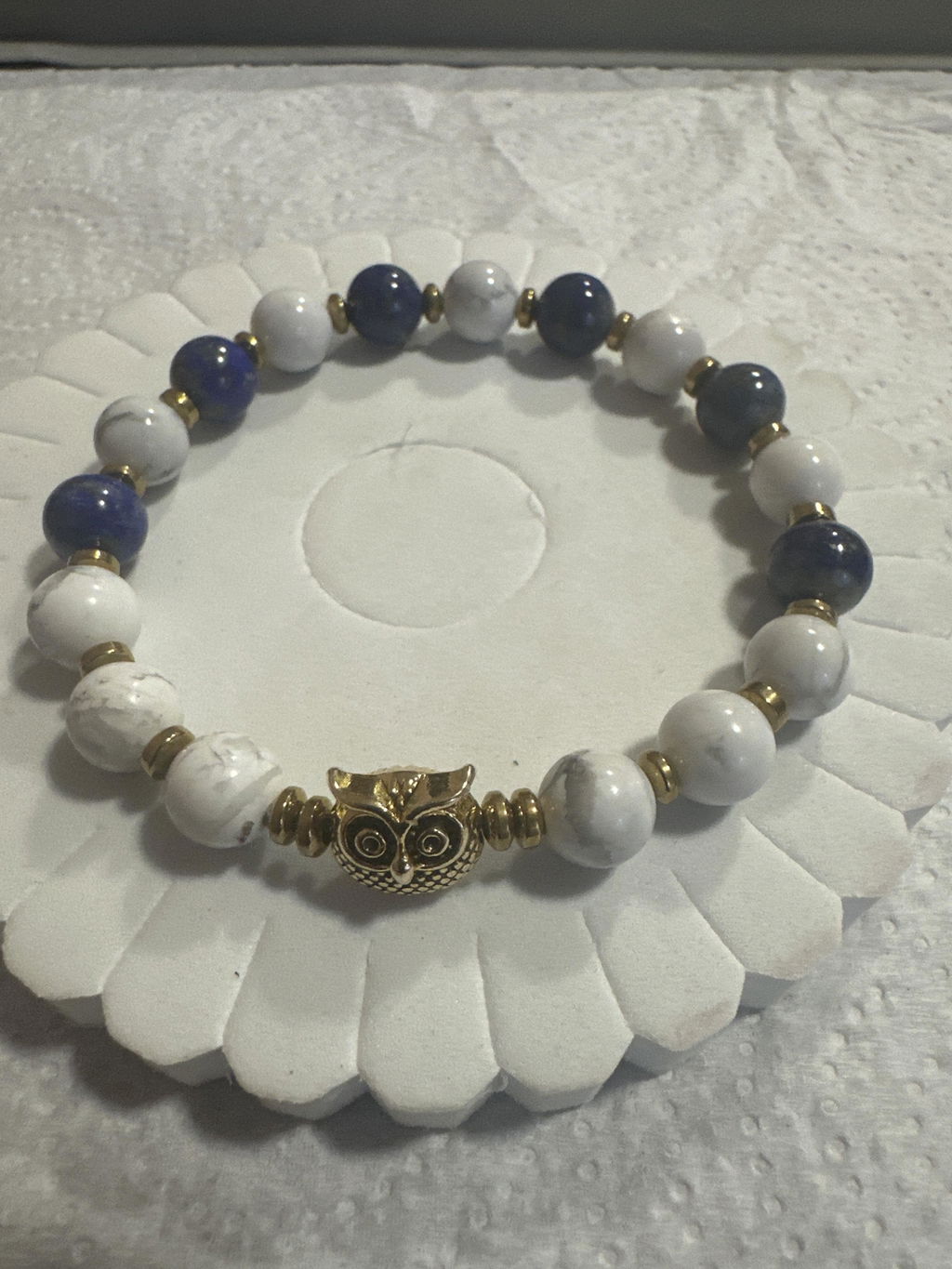
Ces perles sont incroyables. Très belle couleur et une brillance discrète. Parfaiit pour mes créations. Belle qualité !!
How to identify a real quartz
Characteristics of Genuine Quartz
- Color: Genuine quartz is distinguished by a generally light and luminous color palette, ranging from crystal clear to milky white, with subtle pink or smoky hues. Unlike synthetic stones or imitations, the colors of natural quartz are often subtle, with soft gradients without overly bright or uniform artificial tints. The presence of natural inclusions is common and does not compromise quality; on the contrary, they attest to the stone's authenticity. It is important to note that naturally colored quartz, such as rose quartz or smoky quartz, generally has a nuanced and organic hue, avoiding the overly saturated or monotonous effects of imitations.
- Texture: The texture of authentic quartz is pleasant to the touch, with a smooth and often shiny surface resulting from its hexagonal crystal structure, which reflects light. In the case of cut or polished quartz, the finish is clean and free of air bubbles or major internal flaws. In contrast, fake stones may have an uneven, sticky, or grainy surface, or visible traces of poor workmanship. The natural appearance of quartz may also include facets or a slight roughness on rough stones, which are difficult to reproduce industrially. A good knowledge of authentic texture is essential to differentiate genuine quartz from counterfeit materials, especially for professionals who wish to guarantee quality to their customers.
- Hardness: Quartz has a solid hardness of 7 on the Mohs scale, giving it remarkable resistance to scratches and light impacts. This criterion is very useful for authentication, as glass or plastic imitations are far less resistant and easily damaged by light friction. For example, genuine quartz will not be scratched by a knife blade or a metal piece, while tinted glass or resin will quickly show marks. This hardness also guarantees the durability of quartz in demanding professional uses, whether for jewelry, decoration, or lithotherapy. Sellers and creators must remain attentive to this essential characteristic to avoid marketing low-quality or counterfeit items.
Common Imitations
- Tinted glass: Tinted glass is one of the most common imitations of quartz, notably due to its transparency and its ability to be colored uniformly. However, glass has certain characteristics that help differentiate it: it is heavier, often shinier with a less natural luster, and sometimes contains visible air bubbles inside. Furthermore, glass is less hard and more prone to scratching, which can quickly reveal its nature. The tint is generally too uniform, without natural nuances or inclusions. For professionals, identifying these elements is crucial to avoid the accidental sale of fake quartz that would disappoint demanding customers.
- Resin: Resin is frequently used to reproduce the appearance of quartz at a lower cost. It can be molded into various shapes and artificially colored, but its lightness, a certain softness to the touch, and sometimes sticky or grainy surface easily give it away. Furthermore, heated or sun-exposed resin can deform or yellow, a sign that professionals should watch out for. Resin does not possess the solid physical properties of quartz, particularly in terms of hardness and scratch resistance, which makes it easy to detect during a meticulous inspection.
- Dyed stones: Some inexpensive natural stones are sometimes dyed to imitate the color of quartz, such as certain calcites or fluorites. These stones often have an overly intense, artificial, or even uneven coloration after treatment, accompanied by a luster or texture different from quartz. Dye treatments can fade over time or upon contact with water, which poses a quality risk. Supplier control and in-depth expertise are essential for resellers and shops to avoid these questionable products, thus preserving reputation and customer satisfaction.
Simple Tests
- Observation: Careful inspection in natural light often allows one to distinguish genuine quartz from imitations. Authentic quartz diffuses light subtly; its natural inclusions, sometimes visible from a certain angle, provide a depth and complexity that synthetic materials lack. A close examination with a magnifying glass can also reveal crystal structures, striations, or small cracks that attest to a natural origin. Professionals must cultivate this observational ability to ensure the quality of the items offered.
- Touch: Tactile contact is a simple and effective way to check the authenticity of quartz. The genuine stone is cold to the touch, hard, and dense, unlike resin imitations, which are often lighter and warmer. This sensation of coolness and solidity contributes to a better understanding of the material and facilitates the detection of fakes upon receiving goods or in the shop. Likewise, the smooth and non-sticky texture of quartz is a key indicator.
- Translucency: Quartz can exhibit different degrees of translucency depending on its variety, ranging from completely transparent to translucent. Natural quartz lets light pass through with a slight diffusion, creating a soft effect. Imitations often have a flatter and more uniform translucency, or conversely, are too opaque. By placing the stone in front of a light source, these differences can be noted. This simple test is practical for professionals when sorting products, thus ensuring rigorous quality control.
Benefits for Professionals
For resellers, creators, or therapists, mastering quartz authentication is a fundamental element to ensure quality and customer satisfaction. Authentic stone builds trust, limits returns or disputes, and strengthens the reputation of a shop or workshop. From a commercial standpoint, offering genuine quartz is a differentiating argument against the competition, especially as customers become increasingly aware of quality criteria. Furthermore, for lithotherapy professionals, guaranteeing authenticity is essential, as the perceived effectiveness of treatments or advice depends heavily on the trust surrounding the stone provided. By rigorously stocking and selecting their quartz, these players ensure a serious, lasting, and respected positioning in their field of activity.
It is also advisable to implement systematic verification protocols, including visual and tactile tests, and possibly more advanced analyses for large volumes. Investing in team training and access to reliable suppliers then becomes strategic. Ensuring traceability and transparency in the origin and packaging of the stones also contributes to enhancing the company's professional image.
Wholesale Quartz Orders
For professionals wishing to enrich their catalog with authentic and quality quartz, wholesale orders represent an economical and reliable way to source. These orders facilitate inventory management and allow you to offer a consistent and uniform range to your customers, whether they are retailers, jewelry creators, or therapists. By choosing a specialized supplier, you also benefit from personalized support, with detailed technical information, advice on the best varieties, and transaction terms tailored to your activity.
Choosing to order wholesale also offers the opportunity to negotiate advantageous rates, access new products, and guarantee consistency in quality. To make the most of these benefits, it is advisable to rely on recognized expertise and favor short and transparent supply chains to control the origin and extraction conditions of the offered quartz. This meets the growing expectations of demanding professional consumers in terms of ethics and traceability, an increasingly important criterion in the sector.
Lithotherapy information is based on traditions and does not constitute medical advice.