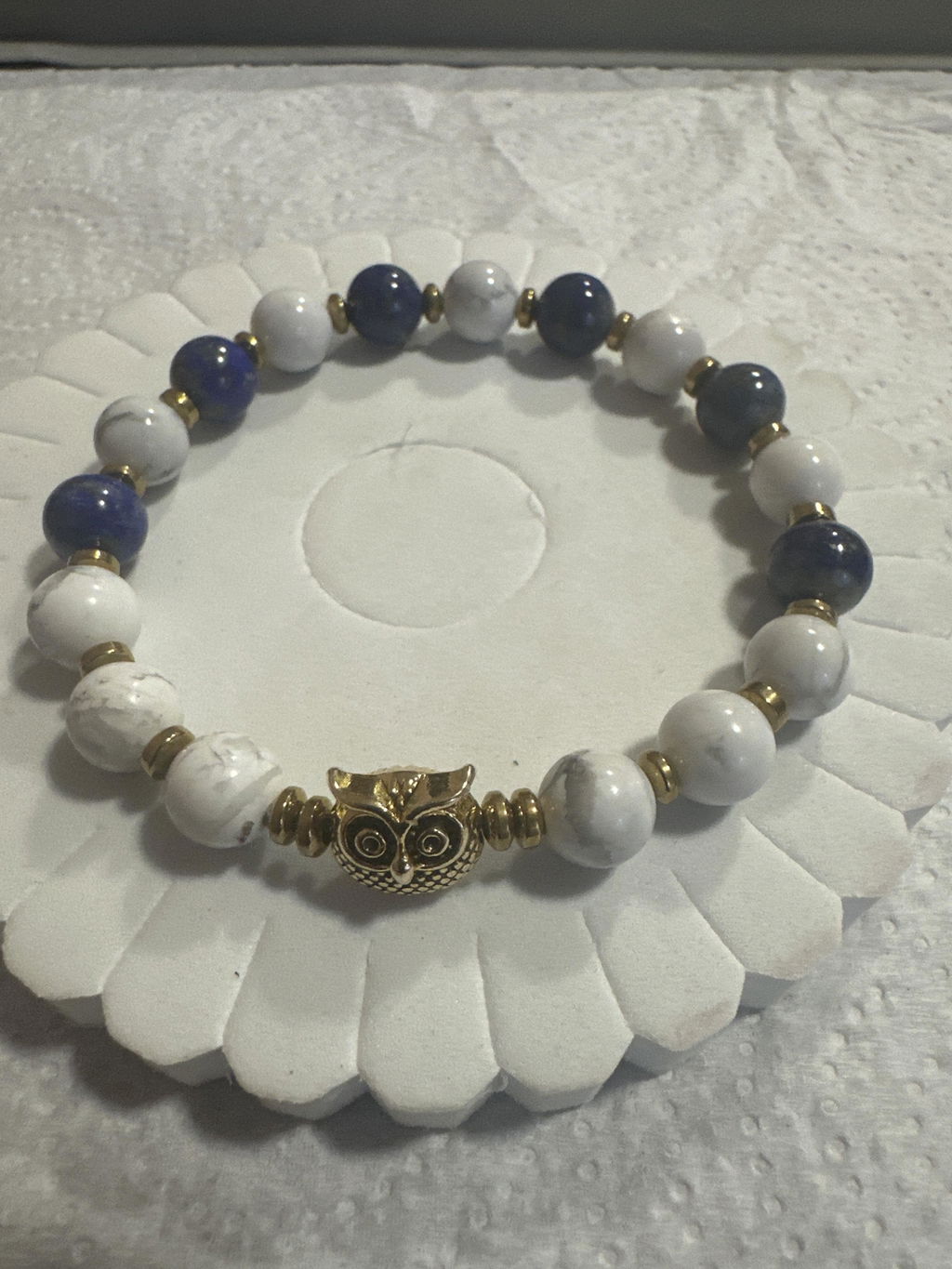
Ces perles sont incroyables. Très belle couleur et une brillance discrète. Parfaiit pour mes créations. Belle qualité !!
How to identify a genuine Peridot
Characteristics of Genuine Peridot
- Color: Genuine Peridot is distinguished by a bright olive-green hue, often with slightly yellow undertones. This vibrant green is unique and does not have the dark depth that some green minerals may have. The color is primarily due to the presence of iron in its chemical composition. It can vary, but it always remains in light and bright tones, without brown, black, or bluish areas. A color that is too uniform or too dark can be suspicious and may indicate an imitation or artificial treatment.
- Texture: The actual surface of Peridot is often clear and homogeneous, with notable transparency. It does not contain air bubbles, which are often visible in synthetic materials such as glass. Under close examination, small inclusions called "lamellae" may be noticeable, which are typical of natural Peridot. These inclusions do not diminish its quality; they confirm its authenticity and attest to its natural mineral origin. The stone is generally well polished but must retain a clear and sharp texture, without an oily or blurry appearance.
- Hardness: Rated between 6.5 and 7 on the Mohs scale, Peridot is hard enough to resist common superficial scratches while remaining relatively fragile when subjected to severe impacts or blows. During professional testing, this hardness helps distinguish Peridot from other softer or more malleable stones such as resin and certain types of glass. Experts rely on this property to validate the stone when it is subjected to strict checks in stores or during wholesale transactions.
Common Imitations
- Tinted glass: Tinted glass is the most common imitation of Peridot. Often light green, it may look very similar at first glance, but it lacks essential characteristics such as natural inclusions. Furthermore, the glass may contain microscopic air bubbles visible under a magnifying glass. Its lower density and hardness also distinguish this fake stone. Glass may also have an overly uniform color and will never be as bright as genuine Peridot.
- Resin: Tinted resin is used to create decorative objects that imitate the gemstone, but it is much lighter and less resistant. To the touch, it feels warmer and less mineral-like. Resin may have uneven areas of transparency, sometimes air bubbles, or a plastic feel. For a professional, this fake stone is quickly detected due to its lack of authentic weight, hardness, and luster.
- Tinted stones: Some less valuable natural stones are sometimes tinted to resemble Peridot, such as chrysoprase or certain varieties of serpentine. These treatments may superficially alter the color, but the texture, hardness, and inclusions are different. These stones only visually imitate the elevated hue but lack the structural and chemical characteristics unique to genuine Peridot. They can be detected by observing microscopic details and using professional hardness and density tests.
Simple Tests
- Observation: The first step consists of careful observation in natural light or under a magnifying glass. Look for characteristic inclusions, the stone's ability to reflect bright light in its facets, and especially the degree of transparency. A color that is too uniform or a luster that is too artificial should raise suspicion. Genuine Peridot offers a very bright green with often slight yellow reflections, without looking like "plastic" or "glass".
- Touch: To the touch, the natural stone conveys a cold and dense sensation, typical of minerals. Its surface is smooth but rigid, and it shows no flexibility or tendency to deform. Resin or plastic feels warmer and often lighter. This simple tactile approach often allows the professional to quickly distinguish a natural mineral from an imitation, especially if the weight in the hand is abnormally low for the size of the stone.
- Translucency: Good Peridot has enough transparency to let light pass through without being completely transparent like crystal. Natural inclusions can sometimes be seen through the stone. When placing the stone in front of a light source, its light and vibrant color should be revealed, without opaque or cloudy areas. A mineral identified as Peridot but with poor or excessive translucency (perfect full transparency) may indicate a simulant or synthetic product.
Interest for Professionals
For resellers, specialty stores, and designers, mastering the precise identification of Peridot is an essential strategic asset. It guarantees customer confidence and enhances the store's credibility in the face of the proliferation of synthetic and counterfeit stones on the market. Genuine Peridot, with its unique properties of color, hardness, and natural inclusions, provides a competitive advantage in demanding professional channels, especially in the luxury and lithotherapy markets. For therapists, certifying the authenticity of their stones strengthens the legitimacy of their practice, especially in a professional context. Finally, understanding quality criteria allows for the establishment of lasting partnerships with reliable suppliers and ensures that the supply chain remains transparent and secure, a point of paramount importance in all commercial activities involving precious minerals.
Wholesale Peridot Orders
The professional Peridot market requires a rigorous approach when choosing suppliers and wholesale lots. Buying in large quantities must always be accompanied by a careful verification of authenticity, origin, and quality criteria to avoid altered or imitated products. Specialists and resellers also benefit from personalized advice to optimize their selection and source from proven suppliers, thus ensuring stones with complete natural characteristics and without excessive treatment. It is imperative to favor professional collections that ensure transparency, traceability, and compliance with industry standards, which are essential for maintaining reputation and customer confidence. By focusing on quality and the consistency of deliveries, wholesale ordering effectively manages the commercial margin while meeting the high expectations of end consumers.
Lithotherapy information is based on traditions and does not constitute medical advice.