Wholesale Natural Lapis Lazuli – Supplier for Professionals
Lapis lazuli is one of the most iconic blue stones in the mineral world. Valued for millennia for its deep color and its appearance flecked with golden sparkles, it holds a special place in both art history and spiritual traditions. Even today, lapis lazuli remains a highly sought-after stone for mineral enthusiasts, jewelry designers, wellness practitioners, and specialty shops.
At Minéraux d’Ailleurs, we offer a carefully selected range of natural lapis lazuli for professionals looking to source quality minerals. Our wholesale catalog is aimed in particular at resellers, esoteric shops, mineral stores, lithotherapy practitioners, jewelry designers, and all players in the wellness sector who wish to offer authentic stones to their customers.
Choosing a supplier specializing in lapis lazuli ensures the quality, traceability, and authenticity of the stones offered. Each piece is selected for its color, density, and aesthetics to meet the expectations of professionals. Whether you are looking for tumbled stones, polished stones, decorative objects, or materials for jewelry making, our lapis lazuli range adapts to the varied needs of the market.
Thanks to a demanding selection and regular new arrivals, Minéraux d’Ailleurs supports professionals in their sourcing of natural lapis lazuli. Our goal is to enable you to offer your customers reliable, attractive minerals that are consistent with current standards in the natural stone market.
What is lapis lazuli?
Lapis lazuli is a metamorphic rock known for its intense and deep blue color. Unlike some stones made up of a single mineral, lapis lazuli is actually a natural assemblage of several minerals, including lazurite, which gives it its characteristic hue. It also often contains pyrite inclusions, visible as small golden flakes, as well as sometimes lighter veins composed of calcite.
This particular mineralogical composition gives lapis lazuli a unique and immediately recognizable appearance. The finest specimens feature an intense and uniform blue punctuated by fine golden inclusions, giving them an almost celestial appearance. This spectacular appearance largely explains the fascination that this stone has inspired since antiquity.
The name "lapis lazuli" has its origins in Latin and Arabic. "Lapis" simply means "stone" in Latin, while "lazuli" comes from the Arabic word for blue or the sky. The expression therefore literally evokes a "stone of the sky," an image that perfectly matches its deep and luminous appearance.
Throughout history, lapis lazuli has been used in many fields. Ancient civilizations used it to make decorative objects, amulets, seals, and jewelry. Its powder was also used as a natural pigment to create the famous ultramarine blue in art. Today, it remains a prized stone for mineral collecting, jewelry making, and energy practices.
Visual and mineralogical characteristics of lapis lazuli
Lapis lazuli is immediately identifiable by its deep blue color, sometimes described as midnight blue or ultramarine blue. This color can vary depending on the proportion of minerals present in the rock. The most sought-after specimens generally feature an intense and uniform blue hue with few light veins.
Pyrite inclusions are a typical visual characteristic of lapis lazuli. These small golden flakes scattered throughout the stone create a highly appreciated contrast and often give the impression of a starry sky. Their presence is not considered a flaw; on the contrary, they often contribute to the charm and authenticity of the stone.
Calcite can also appear as white or light gray veins in some specimens. When these areas are very pronounced, the blue color can appear more irregular. In the mineral trade, pieces containing little calcite are generally considered to be of superior quality because they feature a more uniform color.
Physically, lapis lazuli has a relatively moderate hardness, generally around 5 to 5.5 on the Mohs scale. This means it can be worked and polished relatively easily, which explains its popularity in the manufacture of decorative objects and jewelry.
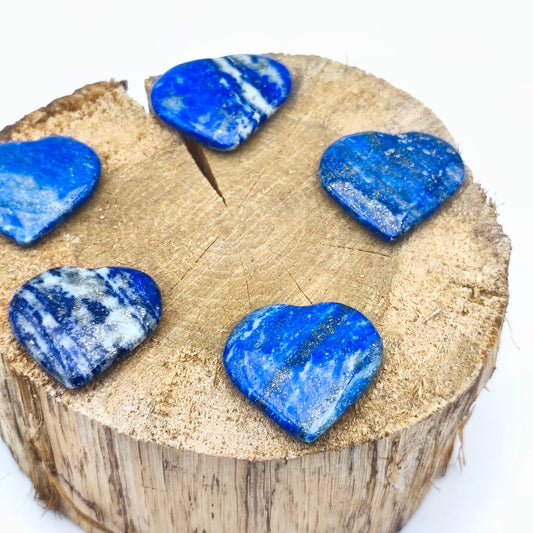
Once polished, lapis lazuli reveals a smooth and shiny surface that particularly highlights its deep color and natural inclusions. Polished pieces are often used for meditation stones, sculptures, or jewelry. Raw shapes, on the other hand, appeal to collectors and natural mineral enthusiasts who appreciate the authentic appearance of the rock.
Origin and geology of lapis lazuli
Lapis lazuli is extracted in several regions of the world, but some deposits are particularly renowned for the exceptional quality of their stones. The most famous are located in Afghanistan, particularly in the mountainous Badakhshan region. These mines have been operated for over 6,000 years and are among the oldest known mineral mines in human history.
Lapis lazuli from these historic deposits is often considered the finest, due to its intense color and uniform texture. Since antiquity, these stones have traveled along trade routes connecting Asia, the Middle East, and Europe, contributing to the spread of lapis lazuli in many civilizations.
Other deposits also exist in Pakistan, Chile, Russia, and Myanmar. Each region produces stones with slightly different nuances in terms of color, density, or the presence of mineral inclusions.
The geological formation of lapis lazuli is linked to complex metamorphic processes involving rocks rich in calcium and aluminum. Under intense pressure and high temperatures, different minerals crystallize and combine to form this characteristic rock.
In the mineral trade, provenance can play an important role in the appreciation of the stone. Professionals often attach great importance to traceability and the quality of the deposits to guarantee the authenticity and consistency of the lots offered to customers.
Forms of lapis lazuli offered for professionals
Lapis lazuli can be worked and presented in many forms, making it a particularly versatile stone for specialty shops and professionals in the mineral sector. Depending on market needs, different product categories can be offered to suit various uses.
Tumbled lapis lazuli stones are among the most popular formats. Easy to handle and accessible, they are often sold individually in shops or used in mineral discovery kits. Their polished surface highlights the stone's characteristic blue color.
Polished stones also represent an appreciated format. Their larger size makes it easier to observe the nuances of the rock and the golden inclusions. They are often used for decoration, meditation, or energy practices.
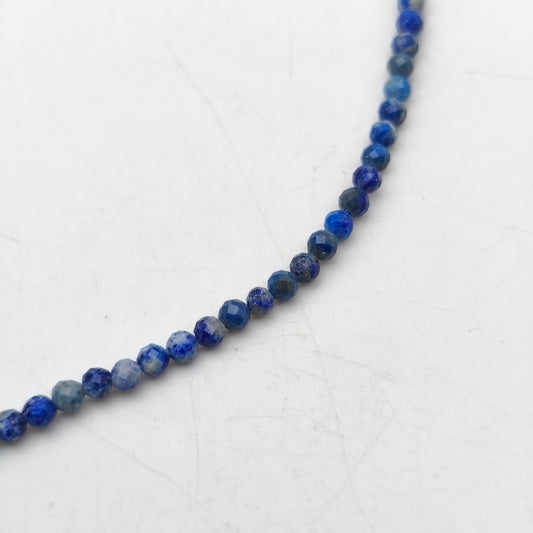
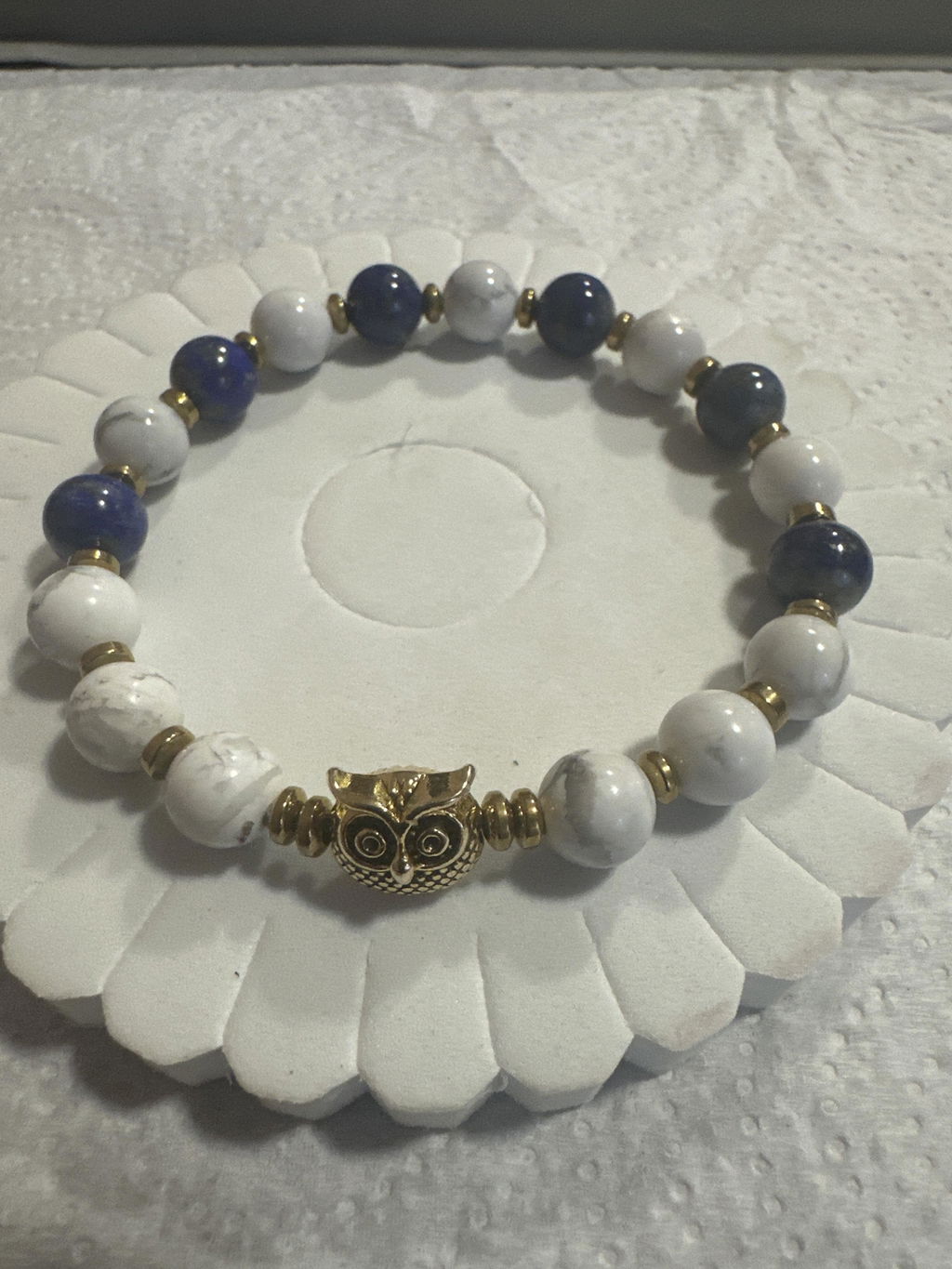
Lapis lazuli is also very popular in jewelry making. Cabochons, beads, and pendants are particularly sought after by designers who wish to work with a stone that is both aesthetic and symbolic. Lapis lazuli bracelets and necklaces regularly enjoy great popularity with the public.
Finally, many decorative objects can be carved from lapis lazuli: spheres, pyramids, hearts, eggs, or figurines. These pieces often attract collectors and decorative mineral enthusiasts. For professionals, offering several formats makes it possible to meet the needs of very diverse customer profiles.
Lapis lazuli in traditions and lithotherapy
Since antiquity, lapis lazuli has been associated with wisdom, knowledge, and spirituality. In many ancient cultures, this stone was considered sacred and used to make ritual objects, amulets, or symbolic ornaments.
In lithotherapy, lapis lazuli is often associated with the throat chakra and the third eye chakra. Some practitioners believe that it can symbolically promote personal expression, communication, and intuition. This stone is therefore regularly used in meditation practices or certain energy support sessions.
Lapis lazuli is also traditionally linked to inner reflection and the search for mental clarity. In some traditions, it is considered a stone that encourages honesty, authenticity, and the ability to express one's thoughts.
Many users choose to wear lapis lazuli as jewelry to keep the stone close to them on a daily basis. Others prefer to use it during relaxation, meditation, or energy work sessions.
As with all stones used in this field, the effects attributed to lapis lazuli are part of cultural and spiritual traditions and may vary depending on individual practices and beliefs.
Lithotherapy information is based on traditions and does not constitute medical advice.
Why offer lapis lazuli in your shop?
Lapis lazuli is one of the most well-known natural stones to the general public. Its deep blue color immediately catches the eye and often sparks customers' curiosity. For a specialty mineral or wellness shop, it is therefore an essential stone.
Its millennia-old history also enhances its commercial appeal. Many customers appreciate stones that have a strong historical or symbolic dimension. Lapis lazuli, used since antiquity by many civilizations, enjoys a prestigious image that enhances the value of the products offered in the store.
Its versatility is another important advantage for professionals. Lapis lazuli can be sold as tumbled stones, jewelry, decorative objects, or collectible pieces. This diversity makes it possible to adapt the range to different budgets and customer profiles.
Jewelry designers also appreciate this stone for the richness of its color and the presence of its natural inclusions. It pairs easily with different metals and design styles, making it a popular material in craftsmanship.
For a shop, offering lapis lazuli therefore allows you to combine aesthetics, history, and symbolism. It is a stone with a strong visual identity that catches the eye and maintains constant demand in the mineral market.
Your lapis lazuli wholesaler for reliable sourcing
Working with a wholesaler specializing in lapis lazuli allows you to secure the supply for your business while guaranteeing the quality of the stones offered to your customers. At Minéraux d’Ailleurs, we select our stones directly from renowned suppliers to offer consistent and authentic lots.
Each piece is inspected to check its quality, color, and overall appearance. We favor untinted natural lapis lazuli to preserve the mineral's authenticity. This standard is essential for professionals who wish to build a lasting relationship of trust with their customers.
Our wholesale catalog is designed to meet the varied needs of shops, therapists, online resellers, and designers. Stocks are regularly replenished to offer fresh and diverse stones.
By choosing Minéraux d’Ailleurs as your lapis lazuli supplier, you benefit from a partner specializing in natural minerals, attentive to product quality and the satisfaction of professionals in the sector.
Learn more about lapis lazuli
A symbol of wisdom and communication, lapis lazuli is a precious stone in lithotherapy. To help you deepen your knowledge, Minéraux d’Ailleurs offers you a selection of articles on its properties, its daily use, its care, as well as its relationship with astrological signs.
Lithotherapy information is based on traditions and does not constitute medical advice.
Discover our lapis lazuli bead strands and bracelets: