Wholesale Natural Labradorite – Supplier for Professionals
Labradorite is one of the most fascinating natural stones in the mineral world. As soon as light hits its surface, it reveals a spectacular play of iridescent reflections known as labradorescence. Deep blue flashes, green, golden, or sometimes coppery hues seem to appear and then disappear depending on the viewing angle. This unique visual signature makes labradorite instantly recognizable and highly sought after in the world of minerals.
At Minéraux d’Ailleurs, we carefully select pieces of natural labradorite for industry professionals: mineral shops, esoteric stores, jewelry designers, therapists, concept stores, and specialized resellers. Our goal is to offer a diverse, high-quality collection that meets the expectations of an increasingly interested clientele seeking natural stones.
Beyond its remarkable aesthetics, labradorite also holds an important place in the world of lithotherapy and wellness. It is often associated with energetic protection and intuition, which explains its popularity among practitioners and spirituality enthusiasts. This dual dimension—aesthetic and symbolic—makes it an essential stone in any mineral collection.
Whether for decoration, collecting, jewelry making, or energy practices, labradorite appeals to a very wide audience. Having a reliable and regular supply of labradorite is therefore a real asset for any professional wishing to develop their business around natural stones.
What Is Labradorite?
Labradorite is a natural stone belonging to the large feldspar family, a group of minerals extremely widespread in the Earth's crust. It is distinguished by a spectacular optical property called labradorescence, a phenomenon that produces colored metallic reflections visible when light reflects inside the stone's crystalline structure.
Discovered in the 18th century in the Labrador region of Canada, labradorite owes its name to this northern territory where it was first identified by European missionaries and explorers. Very quickly, the beauty of this stone attracted the interest of collectors, jewelers, and scientists.
Labradorite generally has a relatively dark appearance, often gray to dark gray, sometimes almost black. Yet, when light hits the polished surface of a beautiful piece, it reveals a stunning display of light. The reflections can appear as large colored patches or more subtle flashes that traverse the stone.
This ability to reveal hidden colors gives labradorite an almost mysterious character. Many people describe the impression that the stone contains an inner light. It is this visual peculiarity that explains why labradorite has become an iconic stone in the world of mineralogy and mineral decoration.
In addition to its aesthetic appeal, labradorite is also quite durable and lends itself well to various forms of cutting or polishing. This allows for a wide variety of objects and formats suitable for both retail and artisanal creations.
The Visual and Mineralogical Characteristics of Labradorite
The most famous characteristic of labradorite is undoubtedly labradorescence. This optical phenomenon results from a particular internal structure composed of fine microscopic layers. When light enters the stone, it reflects off these internal structures and produces light interference that gives rise to iridescent colors.
The reflections observed on labradorite can vary considerably from one piece to another. The most common hues are blue and green, but some stones also reveal golden, orange, or coppery shades. In high-quality pieces, it is possible to observe several different colors on the same surface.
The base of the stone generally remains dark, ranging from light gray to anthracite gray. This background color contrasts sharply with the luminous reflections, accentuating the spectacular visual effect when the stone is polished.
From a mineralogical point of view, labradorite has a triclinic crystal structure and a hardness of approximately 6 to 6.5 on the Mohs scale. This hardness gives it good resistance for handling and transforming into decorative objects or cabochons intended for jewelry.
Depending on the quality of the material, some labradorites feature large, highly visible colored surfaces, while others show more discreet flashes. The most sought-after pieces are those whose surface reveals intense and extensive reflections.
Labradorite can also appear in different varieties or visual appearances depending on its geological origin. Some stones offer particularly bright and structured reflections, while others present more diffuse plays of light. This diversity contributes to the stone's aesthetic richness and allows for a wide variety of products suited to different tastes and budgets.
Origin and Geology of Labradorite
The formation of labradorite is linked to deep magmatic processes. It develops in igneous rocks resulting from the cooling of magma, particularly in certain types of rocks rich in feldspars. These geological environments favor the formation of crystals capable of producing the labradorescence phenomenon.
Over time, erosion and geological movements can bring these rocks to the Earth's surface, allowing for the exploitation of deposits. The extracted blocks are then worked to reveal the stone's inner beauty, often through cutting and polishing.
Today, several regions of the world produce labradorite. Among the best-known sources are Madagascar and India, two areas renowned for the aesthetic quality of their stones. Malagasy deposits are particularly appreciated for their intense blue reflections and spectacular colored surfaces.
India is also an important source for the international market. Labradorites from this region can feature varied reflections and are often used to make cabochons, tumbled stones, or decorative pieces.
Blocks extracted from quarries are generally cut into slabs or shapes suitable for different uses. Lapidary artisans then work the stone to best reveal the internal reflections. Polishing plays an essential role, as a well-worked surface allows light to reflect optimally.
Each piece of labradorite is unique. Even within the same deposit, variations in internal structure produce different reflections. This uniqueness makes each stone an authentic natural object, appreciated by collectors and decorative mineral enthusiasts alike.
Labradorite Shapes Offered to Professionals
Labradorite lends itself to many transformations, allowing for a very wide range of products suited to the different needs of professionals. Depending on the size, the quality of the material, and the working method used, the stone can take on multiple forms.
Raw stones particularly appeal to mineralogy enthusiasts and collectors. They retain the natural appearance of the mineral and sometimes reveal surprising reflections on their fractured surfaces. These pieces easily find their place in specialized shops or mineral display cases.
Polished tumbled stones also constitute a very popular format. Thanks to polishing, the surface becomes smooth and highlights the colored reflections of the labradorite. These tumbled stones are often used for decoration, meditation, or energy practices.
Cabochons represent another important category of products. These stones, cut with a domed surface, are intended for jewelry making. Jewelry artisans and designers particularly appreciate labradorite for its unique visual effects, which give a lot of character to the pieces.
Labradorite can also be shaped into spheres, hearts, points, slices, or freeforms. These decorative objects allow for attractive displays in shops. Large polished pieces, especially freeforms or slabs, are often used as interior decoration elements.
For professionals, this diversity of formats constitutes a major advantage. It allows the offer to be adapted to different types of customers: collectors, mineral decoration enthusiasts, lithotherapy enthusiasts, or jewelry designers.
Labradorite in Traditions and Lithotherapy
Beyond its aesthetic aspect, labradorite holds a special place in the traditions associated with natural stones. In the world of lithotherapy, it is often described as a stone linked to protection and inner transformation.
Some practitioners believe that labradorite acts as a kind of energetic shield. It is traditionally used to help protect oneself from external influences or surrounding emotions. This symbolic association explains why it is often recommended to people working in support or care professions.
Labradorite is also frequently associated with intuition and subtle perception. In certain spiritual practices, it is said to be used to promote mental clarity, creativity, or inner exploration.
In spaces dedicated to wellness, tumbled stones or decorative pieces in labradorite are sometimes used during meditations, energy sessions, or simply as symbolic objects in a soothing environment.
It is important to remember that these interpretations stem from cultural traditions and alternative practices. They nevertheless contribute to the lasting popularity of labradorite among the general public and to its commercial success in many specialized shops.
Why Offer Labradorite in Your Shop?
For a professional in the mineral sector, labradorite represents a particularly strategic stone. It is one of the most requested minerals by customers, notably due to its instantly recognizable aesthetics.
In a display case, the colored reflections of labradorite naturally catch the eye. Polished pieces, in particular, create a highly attractive visual effect that piques the curiosity of visitors. This ability to capture attention makes it an excellent lead product in a retail space.
Labradorite also enjoys strong recognition in the field of lithotherapy. Many customers specifically seek out this stone for its symbolism associated with protection and intuition. Offering a diverse selection therefore allows you to meet an already well-established demand.
Its versatility is another advantage. It can be sold as raw stones, tumbled stones, jewelry, cabochons, or decorative pieces. This diversity allows you to reach different customer segments and offer varied price ranges.
Finally, labradorite has strong aesthetic potential for interior decoration. Large polished pieces or freeforms are increasingly sought after to beautify living spaces, therapist offices, or wellness shops.
Your Labradorite Wholesaler for Professionals
At Minéraux d’Ailleurs, we put our experience in the mineral trade at the service of professionals looking for a reliable and demanding Labradorite wholesaler. Our goal is to offer a selection of authentic natural stones, chosen for their visual quality and commercial potential.
Each piece is carefully selected to ensure a good level of labradorescence, balanced aesthetics, and an attractive presentation. This standard allows us to offer products suitable for resale in shops or for incorporation into artisanal creations.
We work with partners specializing in the extraction and cutting of labradorite to ensure consistent quality. Regular shipments allow us to refresh collections and offer unique pieces capable of enriching the professionals' range.
Our logistics are organized to effectively meet the needs of resellers. Orders are carefully prepared and shipped from France to ensure reliable and secure delivery.
By choosing Minéraux d’Ailleurs as your labradorite supplier, you benefit from a partner attentive to the needs of professionals and committed to selecting high-quality natural minerals.
Learn More About Labradorite
A stone of protection and intuition, labradorite fascinates both lithotherapy enthusiasts and wellness professionals. To learn more, Minéraux d’Ailleurs offers you a series of comprehensive guides on its benefits, use, purification, and connection to the zodiac signs.
Lithotherapy information stems from traditions and does not constitute medical advice.
Discover Labradorite Varieties Too
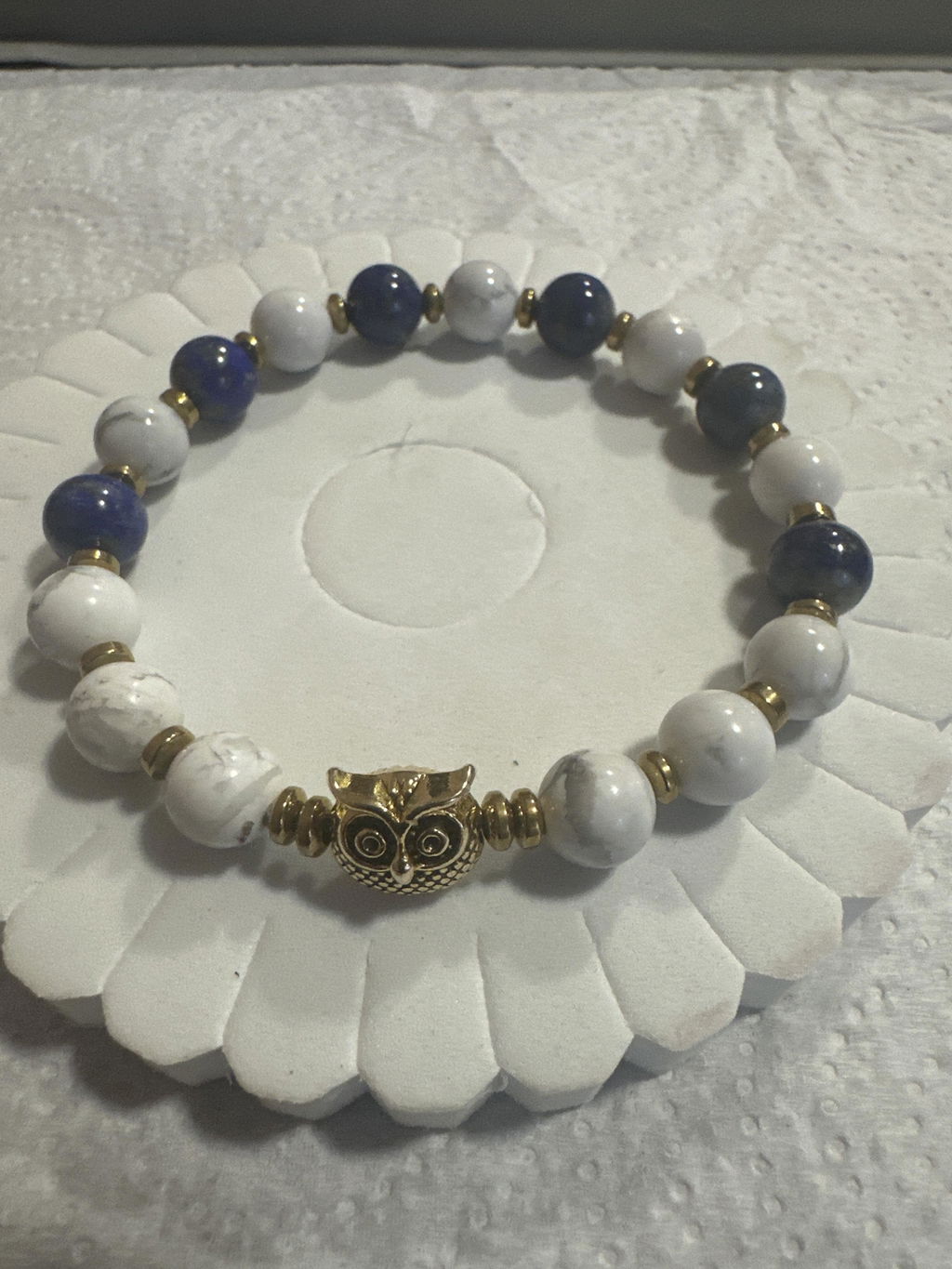
Discover our labradorite bead strands and bracelets: