Wholesale Natural Amethyst – Supplier for Professionals
Amethyst is one of the most popular natural stones in the world. Its instantly recognizable purple color appeals to mineral enthusiasts, jewelry designers, wellness practitioners, and collectors alike. In the professional market, it holds a central position thanks to its enduring popularity, wide variety of forms, and excellent balance between aesthetics and affordability. For specialty stores, offering amethyst often provides a solid foundation for a mineral collection, capable of appealing to a very broad audience.
At Minéraux d’Ailleurs, we have supported professionals for many years in sourcing natural amethyst. Our selection is based on a constant search for quality, authenticity, and traceability. We work directly with reliable producers and partners to ensure carefully selected natural stones that meet the demands of the specialty trade.
Retailers, mineral shops, jewelry designers, therapists, or concept stores: every professional can find a range of amethyst in our catalog tailored to their business. Tumbled stones, spectacular geodes, jewelry, decorative objects, or collectible pieces—amethyst comes in many forms that make it easy to enrich a commercial offering.
Beyond its beauty, this purple stone also has a strong symbolic and cultural dimension. Since antiquity, it has been associated with wisdom, serenity, and inner balance. Even today, it remains an essential reference in the world of lithotherapy and wellness. This recognition strengthens its appeal to the public and explains why it remains one of the most sought-after minerals in specialty stores.
What is amethyst?
Amethyst is a purple variety of quartz, an extremely common mineral in the Earth's crust. Its characteristic hue can range from very pale lilac to deep purple, sometimes almost crimson. This distinctive coloration is primarily due to the presence of iron in the quartz crystal structure, combined with natural irradiation phenomena that alter the electronic state of the elements present in the stone.
In mineralogical classification, amethyst belongs to the silicate family. It crystallizes in the trigonal system and generally forms prismatic crystals ending in natural points. These crystals can grow individually or in groups, creating sparkling druses or spectacular geodes. This crystal structure explains the brilliance and transparency that make amethyst so attractive.
Its hardness is 7 on the Mohs scale, meaning it is highly resistant to scratches and everyday wear. This characteristic makes it particularly suitable for jewelry making, as well as for creating decorative objects or collectible pieces. A well-cut or well-polished amethyst retains its natural luster for a long time.
Throughout history, amethyst was considered a precious stone before becoming more accessible with the discovery of large deposits. Despite this relative accessibility, it remains highly prized for its unique color and the richness of its crystal formations. In the mineral trade, it is now an essential reference, both for beginners and experienced collectors.
Visual characteristics and varieties of amethyst
One of the most fascinating aspects of amethyst lies in the diversity of its shades and formations. Its color can vary considerably depending on its geological origin, the concentration of trace elements, and the conditions of formation. Some stones display a delicate, almost translucent purple, while others show a deep, intense hue that immediately catches the light.
The transparency of amethyst can also vary. Some pieces are very clear and perfectly suited for gem cutting for jewelry. Others feature natural inclusions, internal clouds, or visible growth zones that bear witness to their geological formation. These characteristics do not necessarily diminish the value of the stone; on the contrary, they can enhance its unique character.
Amethyst often exhibits color zoning, meaning internal variations that alternate between more or less saturated purple zones and almost transparent areas. This phenomenon is natural and contributes to the visual charm of many specimens. In some crystal formations, the points may be darker than the base, creating a particularly striking contrast.
There are also several varieties of amethyst recognized by collectors and professionals. Chevron amethyst, for example, is distinguished by its white and purple banded patterns forming characteristic geometric designs. Phantom amethyst, meanwhile, features crystal silhouettes visible inside the main crystal, the result of different phases of mineral growth.
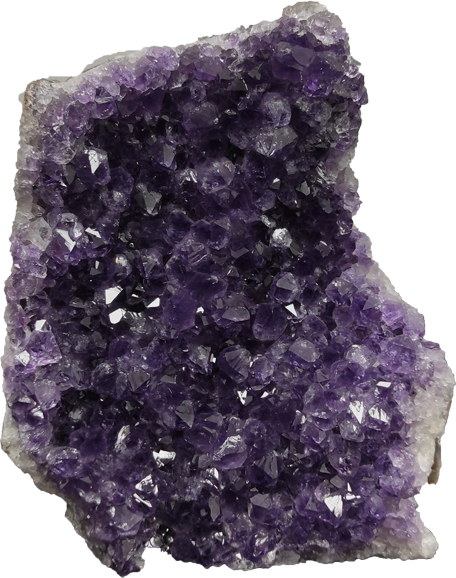
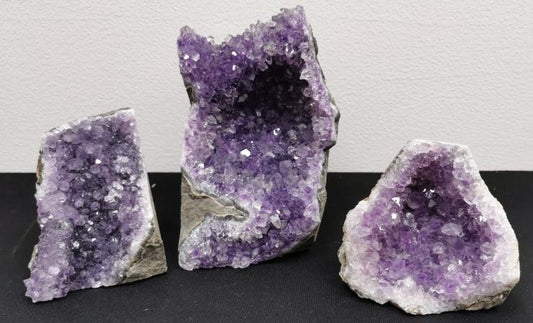
Crystals can appear as isolated points, sparkling druses, or large geodes covered in purple crystals. Each formation reveals a distinctive aesthetic. Geodes, in particular, are highly prized for their spectacular appearance and the visual depth offered by their crystals.
For industry professionals, this diversity represents a real advantage. It allows them to offer a rich and varied range capable of meeting the expectations of very different customers: jewelry lovers, mineralogy enthusiasts, decorators, or people interested in the world of wellness.
Origin and geology of amethyst
Amethyst forms primarily in volcanic environments. When lava cools, gas bubbles can become trapped in the rock. These cavities, called geodes, gradually become spaces where silica-rich solutions circulate and crystallize over time. Under certain specific chemical conditions, the developing quartz crystals take on a purple hue and become amethyst.
This formation process is extremely slow. It can span thousands or even millions of years. As the crystals grow, they line the inner walls of the cavity and create spectacular structures. When the rock is opened, these geodes reveal a multitude of shiny purple points oriented toward the center.
The largest amethyst deposits are located in South America. Brazil is one of the world's most important producers and supplies a wide variety of crystals as well as many geodes. Uruguay is particularly renowned for its deep, intense purple amethysts, highly prized by collectors and lovers of decorative pieces.
Madagascar is also an important source of natural amethyst. Stones from this region often feature softer shades and original crystal formations. In Southern Africa, some deposits produce very dark crystals that attract attention with their intense color.
Europe also has several historic amethyst deposits, notably in certain ancient volcanic regions. Although these operations are more modest today, they bear witness to the long-standing interest in this stone over several centuries.
The geographical diversity of the deposits contributes to the richness of the professional market. Each origin can present different visual characteristics, allowing retailers to offer varied pieces and meet the aesthetic preferences of their customers.
The different forms of amethyst offered to professionals
Amethyst is one of the most versatile natural stones on the market. It can be offered in many forms, allowing professionals to easily adapt their offering to their commercial positioning and their customer base.
Tumbled stones often make up the most accessible entry-level range. Their polished surface highlights the purple color while preserving the natural character of the mineral. They are very popular in mineral shops, wellness stores, or concept stores. Their affordable price allows customers to discover the world of natural stones without a major investment.
Larger tumbled stones and polished shapes are also highly prized. Their larger size makes them suitable for interior decoration, meditation spaces, or treatment rooms. Their smooth surface and soft color create a soothing visual presence.
Amethyst geodes and druses, meanwhile, represent spectacular pieces. These natural formations covered in purple crystals immediately catch the eye in a shop window or display space. Some geodes can reach impressive sizes and become true decorative elements.
In the world of lithotherapy and energy decoration, carved shapes also hold an important place. Points, obelisks, pyramids, or spheres are particularly sought after. Each shape has a different aesthetic and easily integrates into various environments: relaxation spaces, offices, living rooms, or places of spiritual practice.
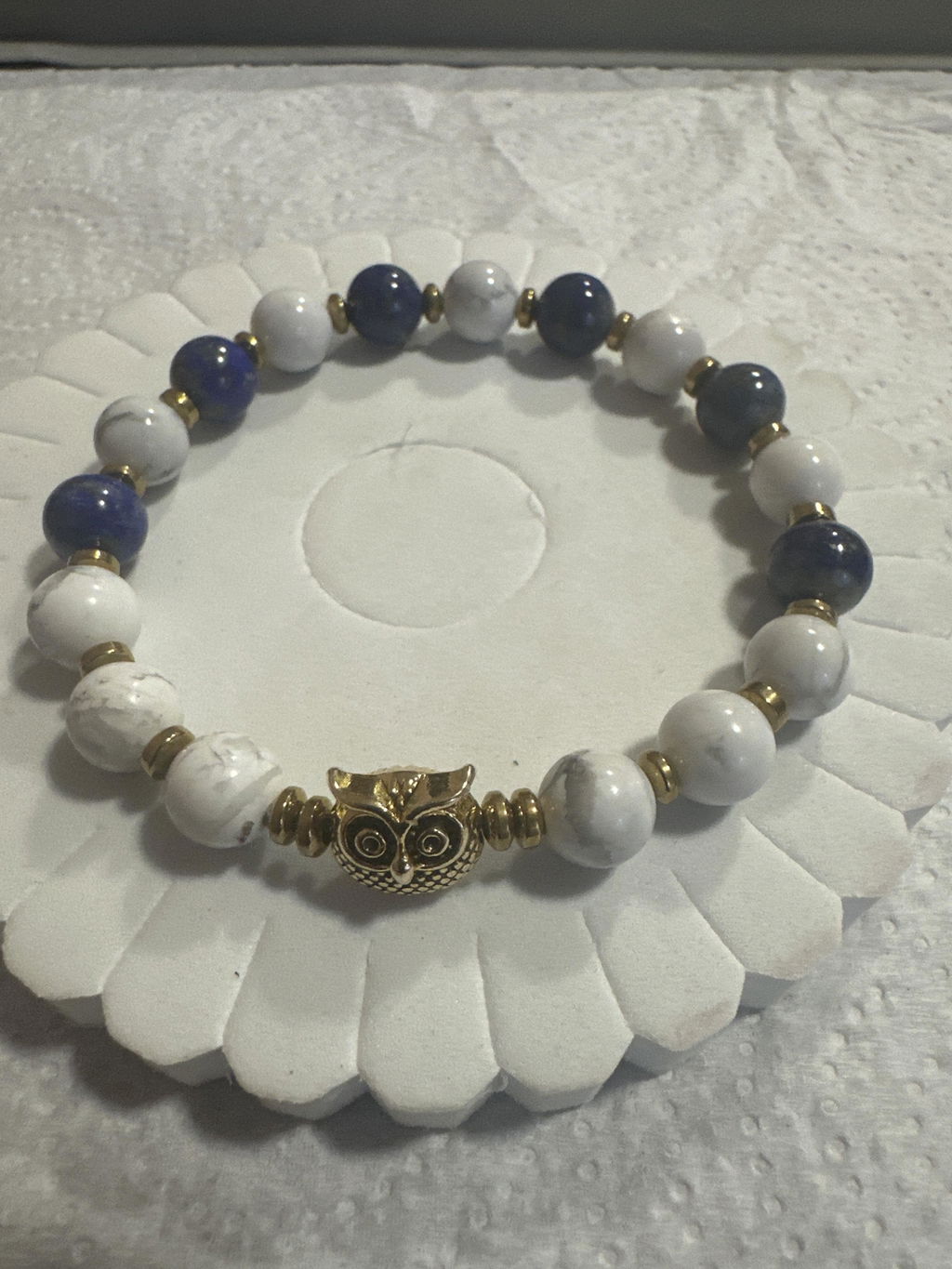
Finally, amethyst is very common in jewelry. Natural bead bracelets, pendants, necklaces, or rings allow this stone to be worn every day. For specialty stores, these pieces often represent a dynamic sales segment, as they combine visual beauty, symbolism, and affordability.
Amethyst in lithotherapy and traditions
In many traditions, amethyst is associated with wisdom, mental clarity, and serenity. Its purple color, rare in the mineral world, has long been linked to spirituality and the elevation of the spirit. In antiquity, some cultures used this stone as a talisman or symbolic ornament.
In contemporary lithotherapy, amethyst is often described as a stone linked to inner calm and emotional balance. Some practitioners associate it with relaxation, meditation, or the search for mental clarity. It is also frequently placed in rest or meditation spaces to create a soothing atmosphere.
In certain energy practices, amethyst is traditionally associated with the crown chakra, a symbolic center linked to consciousness and spirituality. Practitioners sometimes use amethyst geodes or crystals to accompany moments of reflection, meditation, or relaxation.
Beyond these energetic interpretations, amethyst above all has a strong cultural and symbolic dimension. It has long been associated with royalty, wisdom, and temperance. Many religious or ceremonial objects have been adorned with amethyst over the centuries, which has helped reinforce its image as a noble and spiritual stone.
This symbolic dimension largely explains its success in specialty stores. Many people are drawn to the history and traditional meanings associated with this purple stone.
Why offer amethyst in a specialty store?
For a professional in the mineral sector, amethyst represents a safe bet. Its popularity extends far beyond the circle of collectors and reaches a very diverse audience. It appeals to jewelry lovers, mineralogy enthusiasts, people interested in wellness, and decorators looking for natural objects.
Its distinctive purple color plays an important role in its commercial appeal. It naturally catches the eye in a shop window or on a display. This visibility often makes it easier for customers to discover the stone, which encourages spontaneous sales.
Another major advantage of amethyst is the diversity of its formats and price points. Tumbled stones allow for an affordable option, while geodes or collectible pieces can represent high-value products. This range allows a store to reach several customer segments.
Amethyst's recognition is also a marketing asset. Many customers already know this stone or have heard of it. This familiarity creates a climate of trust and facilitates the purchase.
Finally, its durability and stability make it a stone suitable for everyday use, especially in jewelry. For a professional, this means fewer returns due to wear and more lasting customer satisfaction.
Your natural amethyst wholesaler
At Minéraux d’Ailleurs, we put our experience at the service of professionals wishing to offer quality natural amethysts. Our job is to carefully select the stones to provide a balance between aesthetics, authenticity, and consistent supply.
We collaborate with reliable partners located in the main producing regions. This direct relationship allows us to trace the origin of the stones and ensure a selection that meets the expectations of the professional market.
Each batch of amethyst is inspected to ensure consistent quality. We favor natural stones that are uncolored and not chemically treated, to preserve their authentic appearance and mineralogical value. This quality requirement is a central element of our commitment to professionals.
Our logistics organization is designed to meet the needs of retailers. We offer available stock, fast shipping, and pricing conditions tailored to bulk purchases. Some important pieces, such as geodes or druses, can also be offered with contract photos to ensure complete transparency when ordering.
Our goal is to build a lasting relationship with our professional customers by offering them a reliable supply, a quality selection, and personalized support in developing their business.
Learn more about amethyst
To deepen your knowledge of this fascinating stone, discover our detailed guides:
Amethyst properties: physical, emotional, and spiritual benefits
How to cleanse and recharge an amethyst?
Amethyst and astrology: which stone for your sign?
How to recognize a real amethyst?
Discover our varieties of natural amethyst
Lithotherapy information is based on traditions and does not constitute medical advice.
Discover our amethyst bead strands and bracelets: